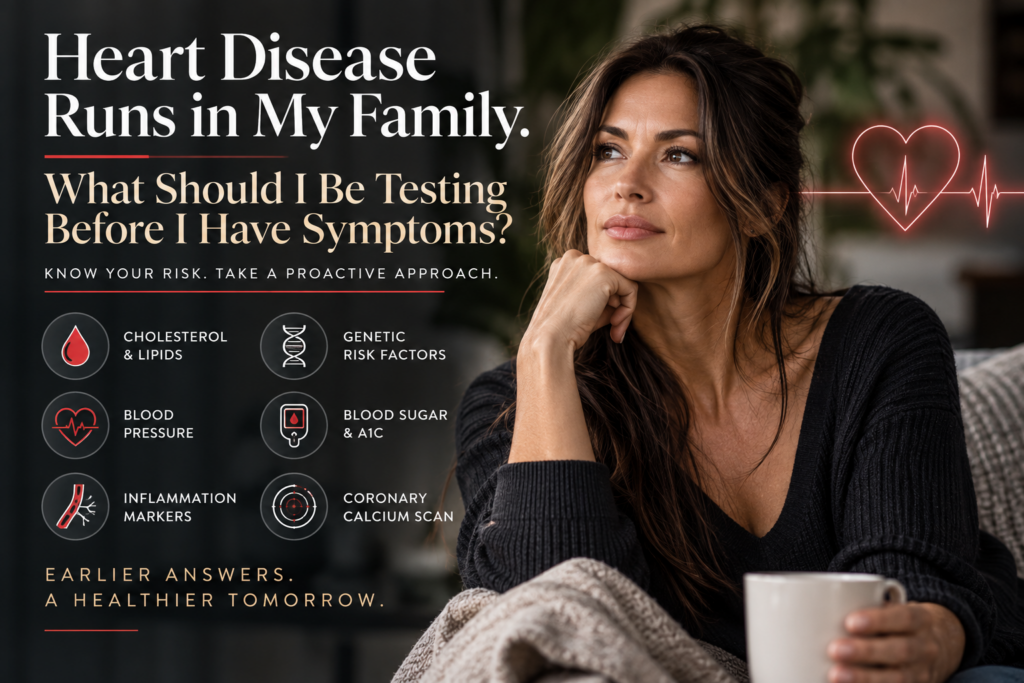
Heart Disease Runs in My Family. What Should I Be Testing Before I Have Symptoms?

IMLWP.com Ft Myers concierge doctor memberships

If heart disease runs in your family, waiting until you develop chest pain, shortness of breath, or another obvious symptom is not the best time to start paying attention to cardiovascular risk. Many of the changes that lead to heart attack or stroke develop quietly over years, and some of the most useful information can be found long before you feel anything wrong.
IMLWP.com Ft Myers concierge doctor memberships

Family history matters because genetics can influence cholesterol levels, blood pressure, diabetes risk, how your body handles certain lipoproteins, and the likelihood of developing atherosclerosis earlier in life. A family history of premature cardiovascular disease, generally before age 55 in men or 65 in women, is considered an important risk-enhancing factor when evaluating cardiovascular risk.

The good news is that family history is not destiny. It is information. And the more accurately you understand your risk, the more intelligently you and your physician can decide what to monitor and when to intervene.

Start With More Than “My Cholesterol Was Normal”

A standard lipid panel is still an important starting point. It typically measures total cholesterol, LDL cholesterol, HDL cholesterol, and triglycerides. But for people with a significant family history, that may not always tell the whole story.

One test worth discussing with your physician is lipoprotein(a), or Lp(a). Lp(a) is largely determined by genetics, tends to remain relatively stable throughout life, and can raise cardiovascular risk even when standard cholesterol numbers look acceptable. Current cardiovascular guidelines recommend that adults have Lp(a) measured at least once in their lifetime, with particular importance for people who have a family history of premature heart disease.

Another marker that may be useful in certain patients is apolipoprotein B, or ApoB. ApoB reflects the number of atherogenic particles circulating in the blood and can sometimes provide additional risk information beyond LDL cholesterol alone, especially in people with diabetes, elevated triglycerides, metabolic concerns, or known cardiovascular disease.

Blood Sugar and Blood Pressure Matter Too

Heart disease risk is not just about cholesterol.

Blood pressure should be monitored regularly, because hypertension can damage blood vessels for years without producing obvious symptoms. Blood glucose and hemoglobin A1C can also help identify diabetes or prediabetes, both of which significantly affect cardiovascular risk.

Kidney function is another piece of the puzzle. Chronic kidney disease is considered a cardiovascular risk enhancer, so routine blood and urine testing may provide important information about both kidney and heart health.

Depending on your history, your physician may also consider a high-sensitivity C-reactive protein, or hsCRP, which can provide additional information about inflammation associated with cardiovascular risk. It is not a stand-alone heart disease test, but it can sometimes help refine risk when the overall picture remains uncertain.

Should You Get a Coronary Calcium Scan?

Blood work tells you about risk factors. A coronary artery calcium, or CAC, scan can provide information about whether calcified plaque is already present in the coronary arteries.

CAC testing is not appropriate for everyone, but it can be useful when the decision about preventive treatment is unclear. Updated guidelines recommend selective use in certain adults, particularly men over 40 and women over 45 with borderline or intermediate cardiovascular risk when the result would help guide treatment decisions.

For someone with a strong family history, that can sometimes answer a very different question from blood work: not just “What are my risk factors?” but “Is there already evidence of plaque?”

What About Genetic Testing?

If multiple close relatives developed heart disease unusually early, or if very high LDL cholesterol runs through the family, your physician may also consider whether an inherited condition such as familial hypercholesterolemia should be evaluated.

Genetic testing is not necessary for every person with a family history of heart disease, but identifying an inherited lipid disorder can affect both your own care and whether close relatives should be screened earlier.

The Most Important Test Is the Whole Picture

There is no single blood test that can tell you whether you will develop heart disease. Risk comes from the combination of genetics, cholesterol, blood pressure, blood sugar, kidney health, smoking history, weight, activity, sleep, inflammatory conditions, and other factors.

That is one reason family history deserves more than a quick checkbox during an annual physical.

At Internal Medicine, Lipid & Wellness Practice in Fort Myers, care is provided through a private-pay concierge membership model that allows more time for detailed risk assessment, comprehensive laboratory review, lipid management, preventive care, and ongoing monitoring. Visit www.IMLWP.com to sign up or learn more!

If heart disease runs in your family, the goal is not to spend your life waiting for symptoms. It is to understand your risk while there is still plenty of time to do something about it.

Sometimes the most important heart test is the one you have before your heart ever gives you a reason to worry


Commonly Missed Signs of Disease and What to Watch For

IMLWP Ft Myers doctors

Most serious health problems do not begin with a flashing warning sign. More often, the first clues are subtle enough to blame on stress, aging, poor sleep, a busy schedule, or simply “not feeling like yourself.” That is one reason routine medical care matters. Many conditions are easier to address when changes are recognized early rather than after symptoms become impossible to ignore.

IMLWP Ft Myers doctors

The goal is not to become hyperfocused on every ache or off day. Bodies fluctuate. What matters more is noticing symptoms that are new, persistent, worsening, or occurring together.

When Is Fatigue More Than Just Being Tired?

Fatigue is one of the easiest symptoms to dismiss because nearly everyone experiences it occasionally. Persistent fatigue, however, can be associated with a wide range of medical issues, including anemia, thyroid dysfunction, diabetes, sleep apnea, heart disease, nutritional deficiencies, infections, medication effects, and other conditions.

Pay attention when fatigue lasts for weeks, interferes with normal activity, appears despite adequate sleep, or occurs alongside symptoms such as shortness of breath, dizziness, weight changes, palpitations, or unusual weakness. Instead of treating fatigue as a diagnosis itself, a physician can look at the larger pattern and determine whether blood work or additional testing is appropriate.

Can Heart Disease Have Subtle Symptoms?

Heart disease does not always announce itself with dramatic chest pain. Some people experience pressure, tightness, unusual shortness of breath, reduced exercise tolerance, fatigue, nausea, dizziness, or discomfort in the jaw, back, shoulder, or arm.

Women and older adults may sometimes experience less typical symptoms, which can make cardiovascular problems easier to overlook. New chest pressure, severe shortness of breath, fainting, or symptoms suggesting a heart attack require immediate medical attention.

Less dramatic but persistent changes deserve attention too. If activities that used to feel easy suddenly leave you unusually winded or exhausted, tell your physician.

What Are Some Early Signs of Diabetes?

Type 2 diabetes can develop gradually, and some people have few noticeable symptoms initially. Increased thirst, frequent urination, unusual hunger, blurry vision, fatigue, recurrent infections, slow-healing wounds, or unexplained weight changes may all warrant evaluation.

Because elevated blood sugar may exist before obvious symptoms appear, routine laboratory testing can be especially important for adults with risk factors such as family history, excess weight, high blood pressure, abnormal cholesterol, or previous elevated glucose readings.

Can Kidney Disease Develop Without Obvious Symptoms?

Yes. Early kidney disease can be surprisingly quiet. As kidney function changes, people may eventually notice swelling in the ankles or feet, changes in urination, persistent itching, fatigue, nausea, muscle cramps, or difficulty concentrating.

High blood pressure and diabetes are two major risk factors for kidney disease, which is another reason regular monitoring matters. Blood and urine testing can sometimes reveal changes before symptoms become pronounced.

Are Weight Changes Always About Diet?

Not necessarily. Unexplained weight gain or weight loss can sometimes reflect thyroid problems, diabetes, digestive disorders, hormonal changes, medication effects, fluid retention, or other health issues.

The same applies to changes in body composition. A person may notice increasing abdominal weight, reduced muscle mass, or significant changes in appetite even when the number on the scale has not shifted dramatically.

When weight changes occur without an obvious lifestyle explanation, discussing them with a physician can help determine whether metabolic, hormonal, or other factors should be evaluated.

What Other Symptoms Are Easy to Ignore?

Persistent changes in bowel habits, blood in the stool or urine, unexplained bruising, recurring abdominal discomfort, frequent headaches, new numbness or tingling, persistent cough, skin lesions that change in size or color, and wounds that do not heal should not automatically be written off.

One isolated symptom does not necessarily indicate disease. The more important questions are whether the symptom is new, how long it has been present, whether it is getting worse, and whether other changes are happening at the same time.

Why Preventive Care Matters

Good primary care is not simply about treating illness after it appears. It is also about establishing a baseline, monitoring changes over time, reviewing medications, evaluating risk factors, and deciding when further testing makes sense.

At Internal Medicine, Lipid & Wellness Practice in Fort Myers, patients receive care through a private-pay concierge membership model that allows more time for individualized appointments, preventive care, medication review, laboratory interpretation, and discussion of changes that may otherwise be difficult to address during a brief visit.

That additional time can be especially useful when symptoms are vague or several concerns seem unrelated. Sometimes the important clue is not a single symptom. It is the pattern that appears when someone finally has enough time to tell the whole story.

Your body does not need to be in crisis before it deserves attention. If something has changed and continues to feel different, bringing it up early is often the smartest place to begin.

Take a Proactive Approach to Heart Health

If you’re searching for advanced lipid testing in Fort Myers, IMLWP offers cutting-edge diagnostics and personalized care designed to prevent heart disease, not just react to it. Schedule a consultation today and take the next step toward a healthier heart and a longer life.

Memberships are limited to ensure we maintain our high standards of availability and care. Spots fill quickly.

Get started today. Select the concierge healthcare plan that fits your life and take control of your health.

Join Now & Schedule Your Appointment or call their office at (239) 362-3005 ext 200 to make arrangements.

Florida Heat, Dehydration and Your Medications

IMLWP Ft Myers Concierge doctors membership clinic functional medicine

What Southwest Florida Adults Need to Know

Living in Southwest Florida means heat is not just a seasonal inconvenience. For much of the year, it is part of everyday life. You walk from the car into a store and start sweating. You spend twenty minutes in the yard and suddenly feel drained. You sit outside at lunch and realize afterward that you barely drank anything all morning. Most people know dehydration can make them feel lousy, but fewer realize that hot weather and fluid loss can also change the way certain medications affect the body.

That matters especially for adults taking medications for blood pressure, heart conditions, diabetes, swelling, kidney issues, or other chronic health concerns. As temperatures rise, your body works harder to cool itself. You lose fluid through sweat, blood vessels dilate, and blood pressure can shift. If you are already taking medication that lowers blood pressure, increases urination, or affects how your body handles fluid and electrolytes, the combination can sometimes leave you dizzy, weak, lightheaded, fatigued, or simply feeling unusually “off.”

Diuretics, often called water pills, are a good example. These medications help the body eliminate excess fluid and are commonly used for high blood pressure, heart conditions, or swelling. In Florida heat, however, you may already be losing additional fluid through sweating. That does not mean the medication is wrong for you or that you should stop taking it. It simply means hydration and monitoring become more important.

Blood pressure medications can create a similar issue. If dehydration causes your blood pressure to fall and your medication lowers it further, you may notice dizziness when standing, unusual fatigue, weakness, or even fainting. Some heart medications may also affect how your body responds to heat or exercise, while certain diabetes medications require extra awareness if dehydration, reduced food intake, vomiting, or prolonged heat exposure occur.

The tricky part is that dehydration does not always feel dramatic. You may not be desperately thirsty. Early signs can include headache, dry mouth, darker urine, muscle cramps, fatigue, irritability, or trouble concentrating. Older adults can be particularly vulnerable because thirst signals often become less noticeable with age. By the time you realize you are thirsty, you may already be behind on fluids.

Of course, the answer is not simply to start drinking gallons of water. Hydration needs are individual. People with certain heart, kidney, or electrolyte conditions may actually have specific fluid recommendations, and excessive water intake can create its own problems. This is why medication management should always be looked at in the context of the whole person rather than through generic advice.

One of the smartest things Southwest Florida adults can do is review their medications with a healthcare professional and ask a very simple question: “Is there anything I should know about taking this medication in extreme heat or if I become dehydrated?” That conversation is especially important if you take multiple medications, have experienced dizziness or weakness in hot weather, or spend significant time outdoors.

You should never stop, reduce, or change a prescription medication on your own because the weather is hot. If you become severely dizzy, confused, faint, unusually weak, develop a rapid heartbeat, or notice a significant decrease in urination, seek medical care promptly. Those symptoms may signal dehydration or another medical issue that needs attention.

At Internal Medicine, Lipid & Wellness Practice in Fort Myers, care is provided through a private-pay concierge membership model designed to allow more time for individualized evaluation, medication review, preventive care, and long-term health planning. That kind of personalized approach can be especially valuable for adults managing multiple medications or chronic conditions in Southwest Florida’s demanding climate.

Florida heat is part of living here. Feeling miserable every summer should not automatically be accepted as part of the deal. Sometimes the solution starts with understanding how your medications, hydration, health history, and environment are all working together.

Want more amazing health information? Visit www.IMLWP.com and check out their blog.

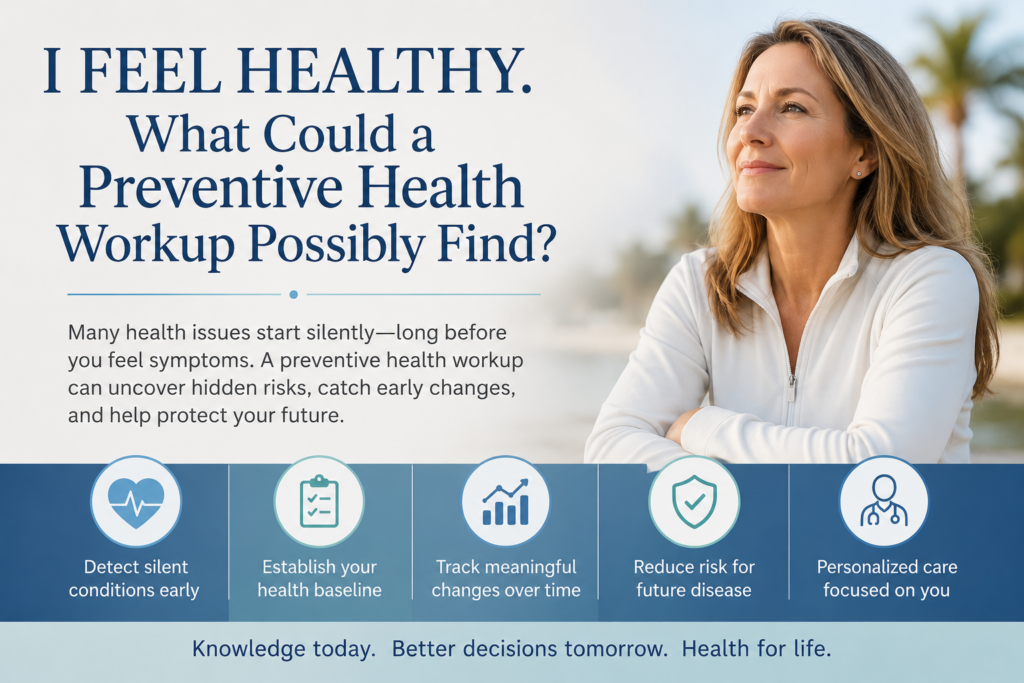
I Feel Healthy. What Could a Preventive Health Workup Possibly Find?

IMLWP Ft Myers Concierge doctors membership clinic functional medicine

Feeling healthy is a good thing, but it is not always the same as knowing what is happening inside your body. Many of the health issues physicians watch most closely can begin quietly, without pain, obvious symptoms, or a dramatic warning sign. That is exactly why preventive health care matters. A comprehensive preventive workup can help establish your baseline, identify subtle changes over time, and uncover risk factors before they become harder to address.

IMLWP Ft Myers Concierge doctors membership clinic functional medicine

At Internal Medicine, Lipid & Wellness Practice in Fort Myers, preventive care is not simply about checking a few boxes during an annual physical. As a concierge, membership-based primary care practice, the focus is on creating the time and continuity needed to understand the whole patient, including medical history, family history, lifestyle, medications, laboratory trends, cardiovascular risk, metabolic health, and changes that may not yet be producing noticeable symptoms.

What Can Show Up Before You Feel Sick?

Some of the most important findings in preventive medicine are discovered in people who feel perfectly fine. Elevated blood pressure may cause no obvious symptoms. Cholesterol abnormalities can develop silently. Blood sugar may begin creeping upward long before someone notices changes in energy, thirst, weight, or other symptoms. Certain vitamin deficiencies, thyroid abnormalities, liver or kidney changes, and early metabolic concerns can also appear on laboratory testing before they create a clear physical signal.

A preventive health workup may include a detailed medical history, physical examination, blood pressure assessment, routine laboratory testing, cholesterol evaluation, blood glucose measurements, and other testing based on your age, family history, medications, symptoms, and individual risk factors. Screening recommendations may also include age-appropriate cancer screenings, bone health evaluations, cardiovascular risk assessment, or additional testing when medically appropriate.

Why Does Establishing a Baseline Matter?

One laboratory value represents a moment in time. A series of results can tell a much more useful story.

When your physician has an established relationship with you and access to previous testing, subtle trends may become easier to recognize. A cholesterol level that technically remains within a reference range, for example, may still be moving in an unfavorable direction. Blood sugar, kidney function, liver enzymes, blood counts, or thyroid markers may also show gradual changes that deserve attention even before they cross into an abnormal range.

That longitudinal perspective is one of the advantages of ongoing primary care.

Isn’t Preventive Care Just an Annual Physical?

It should be more than that.

Good preventive care considers what your health looks like today while also asking what may affect it five, ten, or twenty years from now. Genetics, nutrition, activity, sleep, stress, medications, body composition, cardiovascular risk factors, and chronic disease history can all influence that picture.

Concierge primary care allows additional time for those conversations and for thoughtful follow-up when something deserves a closer look.

Feeling Good Is the Starting Point, Not the Finish Line

You do not need to feel sick to benefit from understanding your health more clearly. Preventive medicine is about gathering information, identifying risks where possible, tracking meaningful changes, and making informed decisions with your physician.

If you feel healthy, that is excellent. A preventive workup can help you better understand why, establish where you stand today, and give you a clearer picture of what deserves attention moving forward.

Internal Medicine, Lipid & Wellness Practice provides concierge, membership-based primary care for patients in Fort Myers and Southwest Florida who want a more personalized and proactive approach to their health. Visit: www.IMLWP.com to learn more!