The Effect of Alcohol on Varicose Veins

Varicose veins develop from multiple causes, ranging from factors you can’t control (like genetics and family history) to those you can influence (such as diet, weight, and exercise). While most people focus on what they eat for vascular health, they often overlook what they drink. Alcohol consumption is a lesser-known but significant contributing factor to varicose veins and venous insufficiency.

Since varicose veins are a circulatory condition and alcohol affects blood flow, the connection between the two makes perfect sense. Your circulatory system includes your heart, veins, valves, and arteries that work together to pump blood throughout your body and back to your heart. The hardest work happens in your legs, where blood must travel upward against gravity.

Your leg veins rely on one-way valves to pump blood back to your heart. These valves open toward the heart and immediately close after blood passes through, preventing backflow. When these valves become damaged or worn out with age, they can’t stop blood from flowing backward. This creates pressure buildup in your leg veins, causing the swollen, bulging appearance of varicose veins.

When you drink alcohol, your heart rate increases and blood flow rises accordingly. This extra blood volume forces your veins to work harder, especially those leg veins already fighting gravity. Alcohol also directly impacts your liver, the organ responsible for filtering your blood. When your liver can’t properly remove toxins and waste, your blood becomes thicker and more viscous, making it even harder for weakened leg veins to function properly.

While alcohol alone won’t necessarily cause varicose veins if no other risk factors exist, it significantly increases the likelihood of developing varicose veins and venous insufficiency in people who are already predisposed to these conditions or showing early symptoms.

Dr. Zuzga of West Florida Vein Center won’t tell you to never drink alcohol to prevent varicose veins, but he strongly recommends avoiding alcoholic beverages if you already have varicose veins or if your gender, age, or family history puts you at high risk for venous disease.

If you’re in the Tampa Bay/Safety Harbor area of Florida, we invite you to schedule a vein screening. Call our office at 727-712-3233 or visit www.WestFloridaVascularandVein.com to learn more.
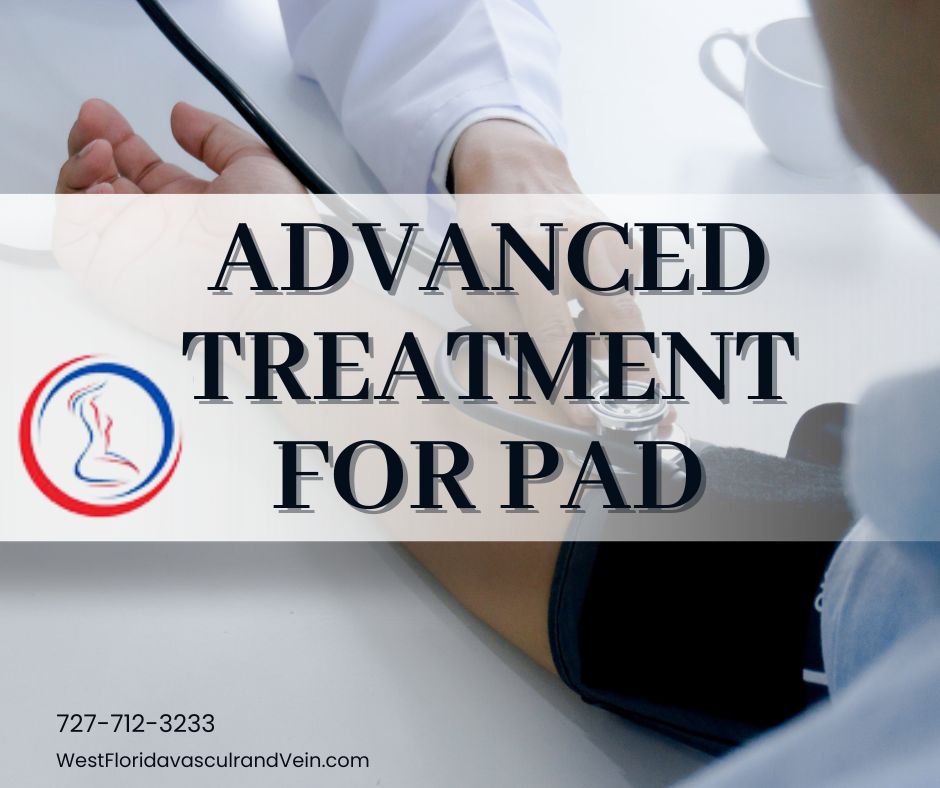
Advanced PAD Treatments in Safety Harbor and Tampa, Florida

PAD Treatments safety Harbor and Tampa Florida

Peripheral Artery Disease (PAD) affects millions of people and, if left untreated, can lead to severe complications such as restricted mobility, chronic pain, and cardiovascular events. Recognizing the early symptoms of PAD and seeking professional treatment immediately is essential for maintaining your vascular health and quality of life.

PAD Treatments safety Harbor and Tampa Florida

Identifying PAD Symptoms

PAD occurs when fatty deposits accumulate in the arteries, reducing blood flow to the limbs, most commonly the legs. Key PAD symptoms to watch for include:

  • Leg pain or cramping during physical activity, often relieved by rest.
  • Persistent sores or wounds on the feet or legs that do not heal.
  • A feeling of numbness, coldness, or weakness in the lower limbs.
  • Changes in skin color or slowed hair and nail growth in the legs.

If you experience one or more of these symptoms, it’s important to seek medical evaluation promptly.

Early Diagnosis and Why It Matters

Early diagnosis of PAD is critical in preventing the condition from worsening. At West Florida Vascular and Vein, Dr. Mark Zuzga, D.O., specializes in identifying PAD through advanced vascular evaluations, including minimally invasive procedures like vascular ultrasound. Detecting PAD early allows for personalized interventions designed to improve blood flow and prevent complications.

Advanced Treatments Tailored to Your Needs

Dr. Mark Zuzga and the team at West Florida Vascular and Vein utilize state-of-the-art techniques to provide effective solutions for PAD. These minimally invasive vascular procedures include, but are not limited to:

  • Atherectomy – A procedure to remove built-up plaque within the arteries, restoring natural blood flow.
  • Angioplasty – Using a balloon to widen narrowed arteries, promoting better circulation.
  • Stenting – Placement of a stent within the artery to keep it open long-term.

With these advanced options, patients experience minimal downtime and maximum improvements in mobility and overall vascular health.

Act Now to Protect Your Vascular Health

Don’t wait for symptoms to worsen. Take charge of your vascular health today by scheduling a consultation or vascular ultrasound with Dr. Zuzga at West Florida Vascular and Vein. Early intervention can help you avoid severe complications and reclaim your active lifestyle. Call 727-712-3233 or visit their website to book your appointment now.

How to Keep Your Circulation Moving – Safely

tampa vein specialist west florida vein center

tampa vein specialist west florida vein centerExercising with Varicose Veins

Having varicose veins doesn’t mean you have to stop being active.

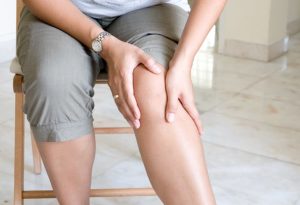
If you’ve been diagnosed with vein disease, then you have likely already been told by your doctor that it is in your best interest to be active and maintain a healthy weight. Fortunately, there are a variety of things you can do to help make sure that you take care of both, all while helping to alleviate some of the off-putting symptoms that can be experienced with venous insufficiency.

Stretching
If you have vein issues, then it is particularly important to both keep your legs strong and circulation healthy. Exercises geared towards those with venous disease almost always focus on the lower extremities especially the muscles in the calves, as it is there that the force of gravity is greatest and veins must work the hardest in order to pump blood upwards towards the heart.

When it comes to exercising with varicose veins, however, you should start out slowly and gently and try not to exert yourself too much or place too much strain on your legs. Calf raises are a great way to strengthen calf muscles without placing too much strain on them. Calf raises can be performed with or without weights. If your job keeps you confined to a sitting position for extended periods of time, stretching your legs and flexing your feet though out the day is an excellent substitute for calf raises.

Low-Impact Exercise Choices
There are still plenty of fun activities that you can do even after your venous insufficiency diagnosis. It is important to keep these activities as low impact as possible. Bicycling, for instance, is a great way to promote circulation while being easy on the joints and allowing you to maintain control over the intensity of your work-out. Walking is another great work-out that is simple and easy to do and allows you to pace yourself in both speed and distance to your own current level of fitness.

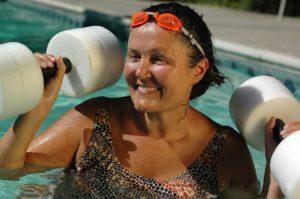
Running, Walking, and cycling can be difficult for seniors who have vein problems but there always an alternative option. Swimming offers an alternative that is non-weight bearing, and there are even a variety of aerobics classics that can be offered in this environment. No matter what you decide to do, signing up for a class or inviting friends to walk, cycle, or swim along with you can be fun for both staying in shape and keeping social as well.

No exercise or diet regimen should be undertaken without first consulting with a qualified physician, and more specifically an experienced vein specialist who is familiar with your condition. To get on the right track today by contacting a vein specialist in Tampa who services the surrounding areas as well, call Dr. Zuzga of the West Florida Vein Center at (727) 712-3233. www.westfloridaveincenter.com.


Common Vein Myths Dispelled by The West Florida Vein Center

west florida vein varicose veins tampa

If you have varicose veins you are not alone. 

west florida vein varicose veins tampaOver 40 million people in America today are living with varicose veins. It has been estimated that half of the world population will deal with them at some time during their life.
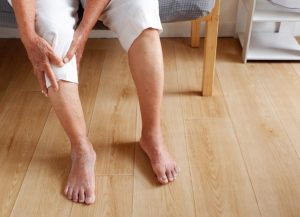
With so many people afflicted with this unsightly and often painful disorder, you might be surprised to learn just how little is known about varicose veins throughout the general public, even among those who currently have vein disease.

Today we wanted to look at the most common misconceptions and set the facts straight.


  • Varicose veins are a cosmetic problem and pose no threat to your health – Varicose veins may be physically unattractive, but just because they cause cosmetic discomfort, does not make them a strictly cosmetic problem. Varicose veins can be a sign of much more serious problems, such as Chronic Venous Insufficiency (CVI) or Deep Vein Thrombosis (DVT) that can lead to ulcers and blood clots, among other problems. Treating varicose veins in the early stages can be extremely beneficial and helpful in improving the long-term vein health of the patient.


  • Varicose veins and spider veins are the same thing – Both varicose veins and spider veins are caused by damaged or leaking valves, however, spider veins are typically seen as a strictly cosmetic issue, while varicose veins can signify deeper health issues. Spider veins are smaller and appear in sunburst patterns, and, unlike varicose veins, they are not elevated from the skin. Both conditions can cause physical embarrassment, and, fortunately, both are easily treated.


  • Men cannot get varicose veins – While varicose veins are certainly more prevalent in the female population, holding around 55% of current cases, men are not immune to varicose veins. Vein disorders are more common in women because of hormones, birth control, and pregnancy, but there are many other factors for developing vein disease that are not exclusive to women – age, heredity, obesity, activity level, and profession can also contribute to men developing varicose veins as well. It’s expected that 43% of men will have experienced vein disease in some form by the time they reach their 60’s, and varicose veins are often the first sign that it’s occurring.


  • Varicose vein treatments are expensive – This myth is usually believed by the same people that believe varicose veins are a cosmetic condition. Remember, varicose veins are not a cosmetic condition, and because varicose veins present a valid medical condition with the potential for dangerous progression, most insurance companies will cover their treatment and removal. Spider vein treatments, while available, are considered a cosmetic treatment and thus will not always be covered. As coverage plans will vary, it’s always best if you speak with your insurance provider before making any decisions.


  • Varicose veins can be treated and cured at home – There are things that people with varicose veins can do at home to alleviate their symptoms, but varicose veins cannot be removed or cured once present. Techniques to eliminate symptoms, however, can go hand-in-hand with prevention techniques for those who do not yet have varicose veins. Maintaining a healthy weight and diet, elevating the legs and feet when sitting or lying down, exercising frequently and staying active, not smoking cigarettes, avoiding the use of high heels, and wearing compression stockings can all contribute to better overall vein health. While these actions can certainly help, if you have noticed any of the physical symptoms of vein disease, it’s always best to consult with your physician before taking any action.

Educating yourself about varicose veins and venous disease is only the first step towards improving your vein health.

For more information about vein disease, treatments, and prevention, please visit Dr. Zuzga, D.O. at West Florida Vein Center, with offices in both Clearwater and Safety Harbor for your convenience. www.westfloridaveincenter.com 727-713-3233.


Vein Treatments Can Restore Your Leg Health

West Florida Vein center safety harbor tampa florida

West Florida Vein center safety harbor tampa floridaBeautiful Legs Can Be Yours Again!

As we begin to age, small issues begin to surface. It is important to listen to your body. Varicose veins are a symptom of Vein Disease.

One of the most common issues in aging is the weakening of the body as a whole. As muscle mass can begin to soften and decline the support around the vein walls in your circulatory system may begin to weaken as well.

What happens when Varicose Veins Form?

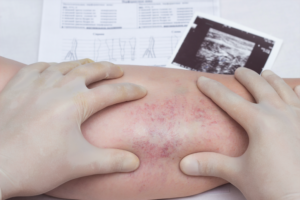
When vein walls weaken, they can actually collapse. This collapse can lead to blood pooling and pushing on the walls causing them to expand. Blood can rise to the surface causing patches of reddened skin and over time ulcerations. Blood may also begin to clot. If a clot forms and then breaks loose it may travel through the circulatory system, if it reaches the brain, the heart, or the lungs, you may end up experiencing a stroke, a heart attack, a pulmonary embolism, or possibly death.

This is why paying attention to your vein health is so important. The best time to seek the help of a professional Vein Specialist is as soon as you begin to notice signs and symptoms of varicose or spider veins. This also includes extremely tired and possibly swollen legs, ankles, and feet at the end of a long day. Vein issues often start well under the visible layer of skin and eventually rise up over time.

Modern vein treatments cut off the issue at the source. While they do not guarantee that no new issues will ever form, they do stop current problems from spreading, deepening, and becoming a far bigger more painful problem down the road.

At West Florida Vein Center of Safety Harbor Florida in the Tampa Bay region you will sit down, one-on-one with Dr. Mark Zuzga, D.O. who will assess your personal health situation and history building a customized vein treatment plan just for you.

If you are ready to “re-age” your legs and feel better than you ever have, give us a call at 727-712-3233 or visit us on the web at www.westfloridaveincenter.com to learn more about our practice and what options we offer.

Chronic Depression & Heart Disease

chronic-depression-heart-disease

chronic-depression-heart-diseaseIf you’ve ever experienced depression you understand that it can sometimes feel like you have a broken or heavy heart. 
Research has shown both that heart disease can cause depression and that depression can cause heart disease. The answer is yes, chronic ongoing depression can lead to physical heart problems.

Things to consider:

  • Depression is the leading cause of disability throughout the entire world.
  • 1 in 3 Americans will die from heart disease.
  • 1 in 20 adults in America experiences major depression each year.
  • 1 in 3 heart attack survivors experiences major depression each year.
  • Heart disease is the leading cause of death in the United States.
  • People with a history of depression are 4 times more likely to experience a heart attack within 14 years than those who have no history of depression.
  • Heart disease patients with depression are 4 times more likely to die within 6 months than those without depression.

After reading the above statistics regarding heart disease and depression, it is obvious that heart disease and depression are related, though how and why they are related is a much more complex issue. Let’s begin by examining the potential ways in which depression can lead to heart disease. Have you ever heard the phrase “stress kills”? While this statement may seem a little overly dramatic, it does have a lot of basis in medical facts. When a person is stressed out, the stress hormones cortisol and adrenaline are released and the sympathetic nervous system is activated, oftentimes referred to as a person’s “fight or flight” response. When a person is depressed, it often results in a chronically elevated level of these hormones, a situation that can have detrimental effects on the heart over time.

On the other hand, depression has been known to occur as a result of heart disease. In one recent study, nearly half of all patients examined a week following a major heart disease surgery showed beginning signs of clinical depression. But why is this? While the relationship between heart disease and depression is still under study, one possible answer is that patients who have recently undergone major heart surgery tend to feel slow and sluggish, finding it difficult to get back into their regular routines. If their regular routines have been threatened by heart disease or they must change their lifestyles drastically in order to adjust to new health concerns, they will understandably start to feel a sense of discouragement and hopelessness.

In addition, heart disease patients with depression often do not receive the correct medical treatment in order to address both issues simultaneously. This can in part be due to the actions of the patient directly, as depression can make it difficult for people to remember to take care of themselves, and patients may forget to take their medications or simply not feel the motivation to do so. Similarly, they may also lack the motivation and energy to keep their follow-up appointments even simply. Furthermore, many cardiologists and primary care doctors simply don’t have the experience with or exposure to patients with mental illness the way psychiatrists and psychologists do and may not be able to properly recognize when a patient is experiencing depression. For this reason, heart disease patients with depression often get overlooked for their depression and are not effectively treated for it the way a patient seeking treatment for mental illness specifically would.

While there are still a lot of unknowns regarding the relationship between depression and heart disease, both conditions can be effectively treated with proper recognition and monitoring. For compassionate cardiologists who care about the overall health of their patients and not just medical issues addressed by them specifically, contact the Tampa Cardiovascular Associates by calling (813) 975-2800 today.

Our physicians are always here for you and are happy to address any concerns you have related to your heart health or to refer you to a qualified mental health specialist. WWW.TAMPACARDIO.COM. 

Vein Disease – More Than a Surface Issue

chemoablation

varicose-veins-tampa-flVaricose and spider veins are unsightly and sometimes embarrassing. It’s easy to consider them just a visual issue and dismiss them. The problem is that they are a medial issue that can become worse over time. The time to stop them is now.


Varicose veins don’t simply appear because you have hit a certain age. They are being cased by something physical going wrong. Varicose veins are damaged veins.

The underlying physical cause is important because without knowing the cause it is difficult to alter behaviors or lifestyle which can potentially help quell the uprising. Things like smoking cigarettes, drinking alcohol in excess, standing or sitting for very long periods of time, excess stress on the legs due to non circulation of being seated for long flights or road trips, and bad fatty chemical-laden diets can all come into play.

Vein disease may also be genetic and hereditary. If your parents or grandparents had vein issues you are at a raised risk level yourself.

Many people mistakenly believe that spider veins and varicose veins are simply a cosmetic issue and from that thought, also conclude that treatment would be cosmetic in nature and therefore not covered by their medical health insurance. The truth of the matter is that it is a medical condition called Venous Insufficiency ie. Vein disease. It isn’t just cosmetic and over time it can morph from just visual into aching, painful, itchy legs that range from annoying to debilitating.

The best time to halt vein problems in their tracks is as soon as they start. Talk with your insurance company and go see your local Vein Specialist for a consultation and diagnosis so you can see what exactly you are dealing with and what your options are. Most vein issues the treatment is covered by your insurance leaving you with only a copay for the office visit.

If you are in the Tampa Bay/Safety Harbor, Florida area we would love to meet with you. Dr. Mark Zuzga is one of the top leading experts in vein care here in Florida and can get your legs back to the best state of health possible in a short amount of time.

Give us a call at 727-712-3233 or visit us on the web to learn more about our services and practice by going to www.westfloridaveincenter.com.

Endocarditis – It Can Be Avoided

endocarditis-tampa-cardio-heart-infection

endocarditis-tampa-cardio-heart-infectionInfective Endocarditis is an infection of the endocardium, by way of bacteria or fungus. It often leads to the onset of symptoms such as fever, anemia, heart murmurs, petechiae, and embolic phenomena.
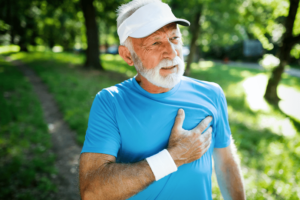
Endocarditis infections may seem like dental issues it can easily leeway into heart issues. Dental care is paramount in heart health. Should your gums become sensitive and bleed regularly when you brush or floss you are at a higher risk.
Alternate additional tools like using a dental water pick, swishing with warm salt water rinses, and flossing daily can help your gums to heal and even prevent this.

Infections are generally strep or staph. They are caused by bacteria entering the bloodstream through normal daily activity on top of an injury or tears in the mouth by way of brushing too hard dental work, or even dental disease. Those who use IV drugs illegally or even IV therapy medically are also at a raised risk.

Dental infections – Symptoms to look out for:

  • Fever
  • Chills
  • Abnormal heart sounds
  • Skin becoming paler than usual
  • Joint Pain
  • Nausea
  • Night Sweats
  • Muscle Pain
  • Loss of appetite
  • Left upper abdomen feeling full
  • Weight Loss

Treatment: is done by way of antibiotic medications. It is important to see your doctor as soon as you suspect you may have an infection.

Heart problems: This bacteria which has entered the bloodstream can settle in the heart and heart valves. Those with heart conditions have a greater likely hood of developing it. IE specifically refers to an infection in the lining of the heart but also may affect the muscles and flaps.

It may present as:

Subacute (or subacute bacterial endocarditis) — develops slowly over a period of weeks to several months.

Acute — develops suddenly and may become life-threatening within days

When it comes to IE preventative is the best care. With that said, never hesitate to come to us at Tampa Cardiovascular Associates of Tampa Bay, Florida if you feel like you need help with your heart. Always listen to your body.

We can be reached by dialing 813-975-2800. You may also learn more about us on our site at WWW.TAMPACARDIO.COM.

Anxiety and Heart Disease

chest pain anxiety heart disease tampa cardio

chest pain anxiety heart disease tampa cardioAnxiety disorders affect 40 million adults in the USA. 

Anxiety can make your body feel like you are having a heart attack. Chest based feelings of butterflies to sharp pains are not uncommon. 

Anxiety is not healthy in the short term but long term it can cause you to become ill emotionally and physically. Chronic anxiety can raise your risk for heart issues.

While small amounts of stress are healthy and even motivating, feeling worried or anxious now and then is normal. It’s when it becomes chronic that it may pose a negative threat to your wellbeing.

Generalized anxiety disorder is defined by at least 6 months of excessive worrying or feeling anxious about unrelated events. Approximately 5% of adults meet the criteria for this disorder. The incidence is higher, coming in at 11% among those with coronary artery disease and 13% of those with heart failure.

It has not been established whether anxiety sets off heart disease or vice versa. It is known that chronic anxiety can change the way the body reacts to stress. This happens via hormones and physiological reactions meant to keep us safe – known as the flight or fight response.

If your fight or flight response is constantly engaged it can lead to heart issues as well as adrenal burn out which may, in turn, cause other endocrine system issues.

Anxiety can present the same symptoms as a heart attack

A panic attack is so very similar in feel to a heart attack people often mistake them. Upon a trip to the ER, you will receive a diagnosis of non-cardiac chest pain. As many as 1 in 3 people will experience this in their lifetime.

What can you do?

The best answer medical professionals have found so far is a combination of medication and talk therapy. A cognitive-behavioral therapist will help you identify unwanted thoughts and establish what is anxiety-based and what is something that genuinely needs to be looked at and considered.

Medications work as a temporary bandaid to allow you to get through tough anxiety-filled times while working through the root cause with a therapist or on your own using tools such as automatic writing, meditation, yoga, or other relaxation healing based activities.

Never ignore chest pain. It is far better to be safe than sorry. If you are in the Tampa Florida area and looking for a cardiologist we invite you to check out the physicians at Tampa Cardiovascular Associates. www.tampacardio.com 813-975-2800.

PCS – Pelvic Congestion Syndrome – Diagnosis and Treatment

Pelvic-Congestion-Syndrome-Tampa-Cardio

Pelvic-Congestion-Syndrome-Tampa-CardioPelvic Congestion Syndrome is a chronic medical condition that affects nearly 1/3 of all women at some point during their lifetime.

Pelvic congestion syndrome is a condition that causes chronic pain in the pelvic region. When this happens, the veins in your pelvis can enlarge and change shape, like varicose veins. This type of damage causes veins to become varicose. Blockages create backflows of blood because the veins do not close properly anymore. The result is pressure build-up and bulging veins. When this happens in the region of the pelvis varicose veins can affect the uterus, vulva, and ovaries causing great pain and distress.

 It can be diagnosed when it is nonrelated to the menstrual cycle and lasts 6 months or longer (the time frame for a condition to be considered chronic). This condition is aggravated by standing for long periods of time.

How to Diagnose PCS

Pelvic Congestion Syndrome may occur in a wide range of ages for women between 20 and 50 years of age. Additional symptoms can include abnormal menstrual bleeding, irritable bladder, vaginal discharge and even visible varicose veins present on the thighs, vulva or buttocks. These areas are often overlooked and do not show up on imaging. Because of this, it is often tough to diagnose. Make sure you do a thorough at-home mirror check of your entire body and report any abnormalities to your doctor.

If pelvic pain worsens later in the day or when standing yet you can’t seem to get a proper diagnosis to come into Tampa Cardiovascular Associates we are able to work in conjunction with your gynecologist.

The Treatment

The procedure is performed under local anesthesia with IV sedation. The blood supply to the veins is blocked by the use of coils and embolic agents. An 80% pain reduction has been reported by those who have undergone this procedure.

Pelvic congestion syndrome is treated using minimally invasive, non-surgical, trans-catheter techniques. Contrast dye may be injected to confirm which veins are affected. If varices are found on venography, they are embolized with small coils or other FDA approved chemical agents.

The Recovery

The first of two visits is an overnight admission to the hospital. The purpose is for managed pain care during the first 24 hours. The patient is then discharged and can recover at home using oral pain medication for the relief of discomfort. Any pain experienced is most significant during the first three days after either procedure.

The second is an outpatient appointment. Most patients see great improvement. It is important to note that in some cases other pelvic veins are also affected and may require further treatment in the future.

If you are experiencing pelvic pain that seems outside the scope of normal monthly reproductive cycle issues, please give us a call at Tampa Cardiovascular Associates at 813-975-2800. www.TampaCardio.com