
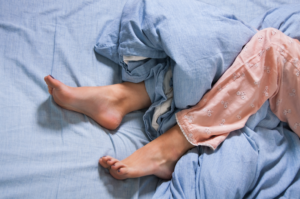
 You are just about asleep and – zap. You feel an electrical impulse shoot through your leg causing it to jerk you awake.
If you are living with Restless Leg Syndrome you know first hand that trying to get to sleep at night is difficult.
Restless Leg Syndrome (RLS) is a neurological disorder in which the person has a consistent uncontrollable urge in which their limbs twitch.
RLS most strongly affects people during times of inactivity and can make it extremely difficult for a person to sleep, rest or relax. While RLS can appear in a person at any age, it is considered both a progressive disease and a spectrum disease. RLS symptoms can either become worse over time or better, depending on the patient, and the severity of symptoms also varies strongly from patient to patient. RLS can also be classified as either a primary condition – one that appears independent of other conditions – or a secondary condition – one that appears as a result of another condition or disorder that is already present.
Iron deficiency or vein issue?
Unfortunately, RLS itself cannot be prevented except by attempting to prevent its underlying causes. In terms of varicose veins and venous insufficiency, the best things that a person can do to prevent such disorders is to remain active, exercise frequently, maintain a healthy diet and weight, not smoke cigarettes, and to elevate the legs when sitting or laying down. While these actions cannot prevent all the underlying causes of RLS, they can at least help to prevent those instances where RLS is caused by venous insufficiency.
While the most common cause of RLS remains an iron deficiency many cases occur as a result of varicose veins or venous reflux. Varicose veins are not only physically unattractive, but they can also cause severe discomfort and pain in the afflicted area, a discomfort that, like in RLS, can only be alleviated by activity and movement. Fortunately, as more is becoming known about the correlation between RLS and vein disorders, many patients are finding relief for their RLS symptoms through treatments of their veins.
One such treatment for varicose veins is endovenous ablation therapy, a procedure that uses heat in either lasers or radio frequencies to seal off and close affected veins. Many patients report immediate relief in their symptoms, and, because the procedure is minimally invasive and relatively painless, most patients are able to resume their normal activities almost immediately and experience no interruption in their work or home life as a result.
While there is no cure for RLS, no one should have to suffer through daily and nightly discomfort, and treatments are available through most insurance policies. Dr. Magnant of Vein Specialists is always available for a consultation and diagnosis and is here to help whether your RLS is simply a minor annoyance or a major disruption in your quality of life. If you are experiencing any of the symptoms of Restless Leg Syndrome, seeing a physician that specializes in vein disorders could be the most important step you take towards alleviating your symptoms.
If you are living with RLS visit www.eveinscreening.com and start today with a FREE online screening and talk with a professional Vein Specialist.

 Are you experiencing symptoms?
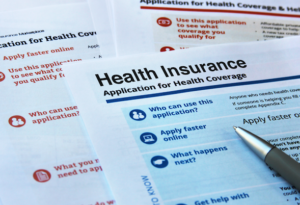 Sticker Shock may hold many patients back from getting the medical help they so desperately need. The thing is, vein treatment isn’t a cosmetic procedure. It is deemed by most insurance companies as medically necessary. Because of this, it is generally paid for under most policy inclusions.
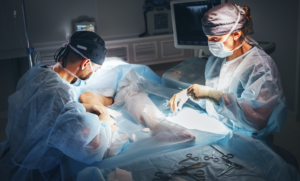 Don’t resign yourself to a life of leg pain with unsightly varicose veins.
 The aches and pains of daily life seem to increase as we age.
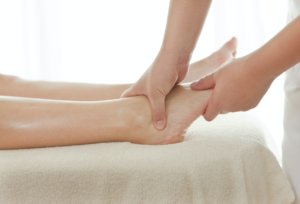 When we are in pain, we look for any and all possible solutions to get to a place of feeling well again. When your muscles get tight a therapeutic massage can help to work the tension out. It only makes logical sense that you may wonder if massage would be a viable solution for the pain of varicose veins. The answer is, unfortunately, no.
 We are hearing an awful lot about genetics and health in the news these days. It may be causing you to wonder if your mother, aunt or grandmother had spider veins – you are destined to get them as well?
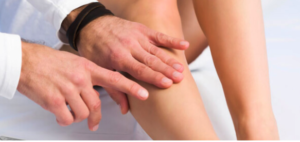 If you are dealing with varicose veins you will want to see a qualified Vein Specialist for a proper diagnosis in order to know what your best options are for treatment.