
 Sugar hits the pleasure center of the brain in the same way that hard drugs do. This makes refined sugar extremely addictive and very hazardous to your health. Moderation is key and elimination even better.
Until recent years not all that much study had been done on sugar. It was a well-known household dietary staple. The harmful effects of a diet high in sugar are becoming more publicly known, many are still unaware.
The fact is, your sugar intake could very well be harming your health now and into the future. Let’s take a look at how sugar affects the body.
- Sugar can compound depression. Though little known or recognized sugar has an effect on mental and cognitive function. It may offer one explanation as to why you feel drained in a short time after eating something sugary. It has also been scientifically linked to anxiety and memory lapses later in life.
- Sugar begets heart disease. Heart disease is still the top cause of death worldwide. Recent studies show that a high sugar diet could be a major contributing factor. Elevated levels of fructose can raise your insulin and blood glucose, as well as lead to obesity.
- Sugar causes dental issues. The obvious statement of the bunch, sugar sticks to your teeth and feeds the bacteria. Over time, teeth can decay as a result causing cavities.
- Sugar adds weight. If you eat a lot of sugar, you are going to have a higher risk of being overweight.
- Sugar is bad for your liver. Excessive sugar consumption will have a similar effect on the liver as if you were an alcoholic. This is because sugar, which turns into fat, becomes lodged in the liver. That can develop into non-alcoholic fatty liver disease.
- Cancer cells feed on sugar. Numerous studies have shown that there is a connection between sugar consumption and cancer. Sugar consumption creates elevated insulin levels so the body can’t properly regulate the abnormal growth and multiplication of unwanted cells potentially leading to cancer or feeding already existing cancerous cells.
- Sugar can spur type II diabetes. Excess sugar can result in insulin resistance, which in turn can result in a highly toxic excess of glucose in the blood. This can cause a number of conditions to develop, perhaps the worst of which is type II diabetes.
- Sugar is addictive. Sugar attaches to the same pleasure centers in the brain that result from doing street drugs and opiates. It is equally as addictive. It may be hard for people to practice moderation when it comes to junk food, and when trying to quit, they may experience withdrawal symptoms.
For further guidance that you can trust, make an appointment with the onsite nutritionist available at Tampa Cardiovascular Associates by calling (813) 975-2800.
Our physicians dedicated to keeping your heart health at its best. We’ll do anything we can to help you improve your everyday quality of life through important lifestyle choices. Visit www.tampacardio.com to learn more about our practice.
 People often incorrectly use the terms “spider veins” and “varicose veins” interchangeably, and it’s important to understand that these are two very different conditions.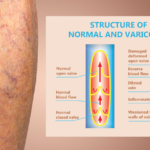
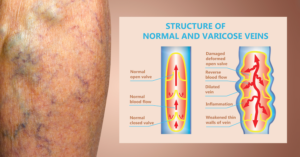 Our circulatory system is an amazing mechanism. Veins run throughout our entire body. They feed blood to every organ and cellular tissue. When veins sustain damage from trauma or vein disease – venous insufficiency they begin stages of venous insufficiency.
 We were all brought up with the four food groups. Meat & Dairy, Grains, Vegetables & Fruits, and “other”. It didn’t include or take into account all of this frozen, premade, and fast food we are bombarded with. While technically they still fall into those groups, these foods are chemically altered, GMO, and preservatived to death. There is little to no nutritional value in a lot of it.
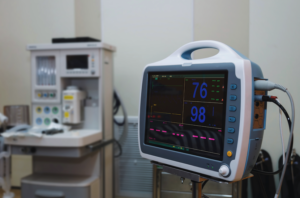 If your doctor has ever told you “You need an EKG”. You may know the feeling of confusion and worry both in an instant. We do not know how much medical knowledge each of our patients actually have come into our office. We don’t want to insult you by seemingly talking down to you, so sometimes we don’t explain as much as maybe we should.
 While you may think it would be very easy to identify vein disease the truth is it doesn’t always show up in the form you might think. Visible purple or blue veins which are lumpy and twisted are a sure sign of varicose veins as well as small wiggly lines that spider web in appearance are spider veins, but many times you may experience leg pain and have no visual cues.