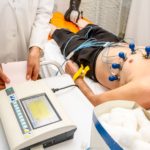
Reasons to Make an Appointment With a Cardiologist in Tampa, Florida

Cardiologist-tampa-tampa-cardio-1

You may never have considered visiting a Cardiologist. The very thought scares some people. The idea that there may possibly be something ‘wrong’ with your heart isn’t pleasant.

The fact is if there happens to be something going on with your heart it is by far better to find out and treat it as soon as possible in order to get the very best outcome. We would also like to note that some visits do end with a diagnosis of ‘nothing at all wrong with your heart’. There are several medical issues that can mimic heart problems.

Most patients don’t jump directly to visiting a Cardiologist. Consultations are mostly recommended by a patient’s primary care doctor as a result of either heightened risk factors for cardiovascular disease or symptoms that indicate it may already be an issue.

The number one killer in the world is heart disease. It affects 80 million people. Physicians are well aware of the stakes in early detection.

Risk Factors for Heart Disease

  • Major risk factors include:
  • Genetics – Immediate family members affected and diagnosed already.
  • Heightened blood pressure readings.
  • Raised cholesterol levels.

These may prompt your primary doctor to refer you to a cardiologist.

A genetic history of heart disease may be the catalyst for an evaluation or for low-level tests to check heart function. Depending on the results, you may continue to be monitored by your primary care physician or be given a clean bill of health.

Symptoms causing patients to seek cardiology care may include:

  • Arrhythmias (Rhythm disturbances) can include palpitations or missed heartbeats.
  • Angina (chest pain or discomfort)- This often indicates narrowed arteries.
  • Inability to catch your breath. This may indicate congestive heart failure or valve issues.
  • A cardiac event, such as a heart attack.

If you are in need of an excellent cardiology team in Tampa, Florida we invite you to take a look at Tampa Cardiovascular Associates. This world-renowned team of physicians can handle any form of cardiac issue. We would love the opportunity to review your medical history with you, do a physical exam, and help get you on the right track to your best cardiac health possible.

Give us a call at 813-975-2800 or visit us online bygone to www.tampacardio.com. We are located conveniently at 3010 E. 138th Avenue, Suite 12 in Tampa, Florida 33613.
Varicose and Spider Veins – What’s the Difference?

varicose-veins-spider-veins-tampa-cardio

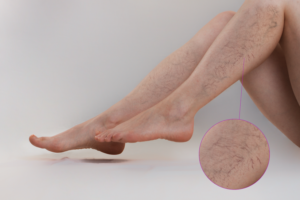
varicose-veins-spider-veins-tampa-cardioPeople often incorrectly use the terms “spider veins” and “varicose veins” interchangeably, and it’s important to understand that these are two very different conditions.
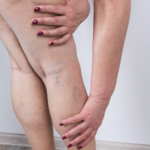
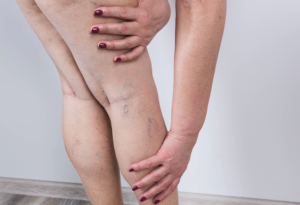
While one is a simple cosmetic problem, that while causing embarrassment and discomfort poses no real medical threat, the other can not only be very painful but also present physical signs of some very serious underlying conditions. Understanding the difference between these venous disorders can make all the difference in what kind of treatment a patient seeks, and whether they find it necessary to seek treatment at all.


What are Varicose Veins?

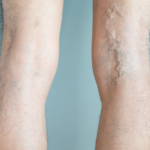
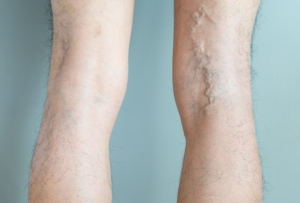
Varicose veins occur when the one-way valves within veins weaken, and a portion of the blood that is meant to be pumped back to the heart instead leaks back into the vein and collects, causing the veins to enlarge and bulge past the surface of the skin. Varicose veins can appear red, blue, or flesh-colored, are twisted or ropey in appearance, and can be found throughout the body, though most commonly in the legs where the force of gravity is greatest. Varicose veins are a condition in themselves that can be quite painful and uncomfortable, often causing aching, swelling, itching, burning, or feelings of heaviness in the legs. If ignored, varicose veins can result in skin ulcers that sometimes bleed and are very hard to heal. In the most extreme cases, varicose veins can lead to a condition called Deep Vein Thrombosis (DVT), which is present when a blood clot forms in a deeper vein. If one of these blood clots breaks off and travels to the lungs, the results can potentially be fatal.

What are Spider Veins?

Spider veins are caused by a back up of blood in the veins and appear very close to the surface of the skin in sunburst or spider web patterns, hence their name. Spider veins are typically quite small, but can appear in a variety of locations on the body, most commonly on the legs but also on the arms and even on the face. These red or blue veins can be brought about by hormone changes, injury, or sun exposure, and treatments are available to remove them if the patient so desires. Fortunately, while spider veins can be unsightly and uncomfortable, they are typically not causing alarm and only present a cosmetic problem for the patient.

If a condition or ailment appearing on your body concerns you, it is always wise to seek the advice of a medical professional.

While most spider veins are harmless and not all varicose veins lead to more serious conditions, only a medical professional can decide whether your personal condition calls for further action. Treatments for both spider veins and varicose veins are readily available, and because varicose veins are considered a health condition, their treatment or removal is covered by most insurance policies, making their treatment affordable as well.

If you are in any way concerned about the health of your veins, please visit the Vein Center at Tampa Cardiovascular Associates to speak with a certified vein specialist. www.tampacardio.com (813) 975-2800. 

Varicose Vein Relief

sclerotherapy

sclerotherapyThere are several different treatment options for spider veins. The one that stands out is sclerotherapy because it has stood the test of time and remains a top picked favorite of Vein Specialists as well as satisfied patients.
Sclerotherapy – What is it?

Sclerotherapy is the use of an injected chemical solution directly into the damaged. These chemicals cause the vein to collapse and scar, sealing the blood’s pathway and forcing it to reroute to healthier veins.  The collapsed vein is then reabsorbed into the tissue and the old vein eventually fades.

Why choose sclerotherapy?

Sclerotherapy liked and used so much because it is minimally invasive. This procedure improves not only the visual appeal of your legs but also tag along symptoms such as aching, swelling, burning and leg cramps. Treated veins fade completely within a few weeks, although in some patients it may take up to two months to see the full results. For more extensive cases, multiple sclerotherapy treatments may be needed. Your doctor will let you know prior to any treatment being administered.

What to be aware of when choosing Sclerotherapy

Sclerotherapy is an outpatient procedure. It is generally performed right in your doctor’s office. No anaesthesia is required and only takes from 15 minutes to an hour to complete depending on the extent of the damage.

During the procedure, patients lie on their back, legs slightly elevated. Pretreatment the area is swabbed with alcohol. To begin the doctor uses a fine needle and begins slowly to inject a safe chemical solution or foam into the vein. Some patients may experience a minor stinging sensation or slight cramps at the point of insertion. The injection irritates the vein lining, causing it to swell shut and block the flow of blood.

Once the needle is removed, the doctor will then apply compression bandages and massage the area to keep blood out of the injected vessel and disperse the solution. For larger veins, a compression pad may be taped onto the site to keep the area compressed while your doctor moves on to the next vein. The size and area will affect the number of injections needed in a treatment.

Insurance coverage

Depending on the patient Sclerotherapy may or may not be covered by insurance. Please check with your carrier before scheduling the procedure.

Will I need time off?

There is virtually no downtime with Sclerotherapy. You can stand and walk immediately, it is even recommended. Compression stockings should be worn for one to three weeks and though you should avoid sun exposure during that time, you may return otherwise to normal activities.

Interested?

Give West Florida Vein Center a call today at (727) 712-3233 or visit www.westfloridaveincenter.com to start your screening.

Doing Away with Varicose Vein Myths!

varicose veins

varicose veinsVaricose veins are an issue that most people never talk about.
Current estimates state that approximately 50% of the United States population o50 and over have varicose veins. That’s 40 million Americans. With so many people living with venous insufficiency, you may be surprised to learn how little is widely known about varicose veins.

Let’s look at some of the common misconceptions so we can sort out fact from fiction.

Myth #1 Men don’t develop varicose veins – Vein disorders are more common in women because of hormones, birth control, and pregnancy, but there are many other factors for developing vein disease that is not exclusive to women – age, heredity, obesity, activity level, and profession can also contribute to men developing varicose veins as well. It’s expected that 43% of men will have experienced vein disease in some form by the time they reach their 60’s, and varicose veins are often the first sign that it’s occurring.

While varicose veins are certainly more frequently seen in the female population, around 55% of current cases, men can also develop vein issues.

Myth #2 Varicose veins are only a cosmetic problem – Treating varicose veins in the early stages can be extremely beneficial and helpful in improving the long-term vein health of the patient. Varicose veins can cause pain and can be a sign of much more serious problems, such as Chronic Venous Insufficiency (CVI) or Deep Vein Thrombosis (DVT) that can lead to ulcers and blood clots, among other problems. 

Myth #3 Home Treatments – There are treatments that those with varicose veins can do at home. They may help to eliminate symptoms, but varicose veins cannot be cured once present by any at home trick.  Maintaining a healthy weight and diet, elevating the legs and feet when sitting or laying down, exercising, frequently and staying active, not smoking cigarettes, avoiding the use of high heels, and wearing compression stockings can all contribute to better overall vein health. While these actions can certainly help, if you have noticed any of the physical symptoms of vein disease, it’s always best to consult with your physician before taking any action.

Myth #5 Spider veins and Varicose veins are the same things – Both varicose veins and spider veins are caused by damaged or leaking valves, however, spider veins are typically seen as a strictly cosmetic issue, while varicose veins can signify deeper health issues. Spider veins are smaller and appear in sunburst patterns, and, unlike varicose veins, they are not elevated from the skin. Both conditions can cause physical embarrassment, and, fortunately, both are easily treated.

Myth #4 I can’t afford to treat my veins – Varicose veins are not a cosmetic condition, and because varicose veins present a valid medical condition with the potential for dangerous progression, most insurance companies will cover their treatment and removal. Spider vein treatments, while available, are considered a cosmetic treatment and thus will not always be covered. It’s always best if you speak with your insurance provider before making any decisions.

Educating yourself about varicose veins and venous disease is only the first step towards improving your vein health. For more information about vein disease, treatments, and prevention, please visit Dr. Zuzga at West Florida Vein Center in Safety Harbor and serving all of Tampa, FL. (727) 712-3233 www.westfloridaveincenter.com

Orthotics Maybe an Answer To Tired Achy Varicose Vein Prone Legs

orthotics

orthoticsIf you live in pain with venous insufficiency issues such as varicose veins you are likely willing to try just about anything to get relief.
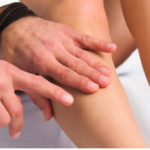
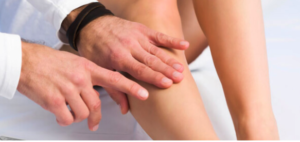
While you primarily hear tips about elevating the legs, using ice compresses and wearing daily compression stockings, one of the most overlooked treatments that are noninvasive for the relief of pain from varicose veins is the creation and use of customized orthotics.

While there is no guarantee that having these inserts made and wearing them will clear up your vein deficiency or even lessen the visibility of varicose veins what they can provide is some relief while standing and walking making daily life far less painful and more comfortable.

What Do Orthotics Do?

Orthotics give the arches in your feet support. Your foot actually has three separate arches, not just one. These arches are how your body balances itself by keeping your weight evenly distributed. Orthotics can even help to straighten the way you walk. Proper body mechanics in movement can help to keep you in alignment preventing excess wear and the body.

Bad body mechanics start from the base. Being flat footed or off balance can put pressure on the legs. If these veins are already diseased being off balance can make the discomfort experienced worse.

Ok, I Am Convinced, Where Do I Have Them Made?

Professional-quality orthotics are not bought in Walgreens or CVS. Those machines give you a slightly customized choice between two or three different supports. That is not what is meant by custom in this sense.

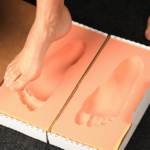
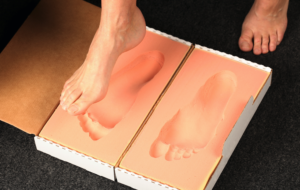
Proper orthotics can be fitted and ordered by your podiatrist, family doctor, or chiropractor. Depending on the company from which they are ordered, the orthotics can be formed by using step in boxes that cast your feet in a sand-like substance that holds form or by use of foot scanner which will measure the pressure points and arches in your feet.

They can be specially made for specific use in running and walking shoes, dress shoes and even sandals and can be easily moved from one pair to the next. They simply slide in and out of each shoe.

It is recommended when you get your first pair to wear them for 1 hour at first to allow your feet and legs to get used to them. From there try 2-3 hours, and then you can move on to a full day. If you go to fast you may end up feeling like you did a massive leg day work out at the gym as it uses muscles you may not have activated in a while.

In order to correct the damage done and rid yourself of the damaged veins, a consultation with a Vein Specialist is needed. Orthotics, as well as compression stockings, ice, rest and elevation all, can help with varicose vein issues. They can help to regulate the blood flow and alleviate the pain. 

The West Florida Vein Center can help if you have vein issues and are in the Tampa, Florida area, give us a call at . (727) 712-3233 www.westlforidaveincenter.com.

Chemoablation in Tampa Florida

chemoablation

chemoablationIf you are dealing with varicose veins you will want to see a qualified Vein Specialist for a proper diagnosis in order to know what your best options are for treatment.

When it has been determined that the traditional method of thermal ablation will not work for a patient, endogenous chemoablation becomes a consideration.

Sometimes referred to as ECA, Endovenous chemoablation is an outpatient procedure with no sedation required. How it works is that a chemical solution is injected into the damaged veins. That chemical destroys and breaks down the damaged veins allowing them to eventually reabsorb naturally into the body. The osmotic agent Hypertonic Saline has been used for decades to treat smaller varicose veins. It is now being used to treat larger veins as well.

The benefit of using chemoablation is that foam sclerosants give a visual mapped image allowing the doctor to stay the course easily with ultrasound guidance.

ECA is best utilized for veins that are inaccessible by laser or radiofrequency ablation.ECA is often the only option for patients who have formerly undergone vein stripping and still have areas where the vein is too gnarled and twisted to use heat ablation.

Let’s Talk Results

Treated veins begin to show fading within a few weeks though it may take a few months to see final results. Chemoablation can also improve related symptoms like aching, burning, cramping, swelling and more.

After Chemoablation

Get up, get active, and move. The more exercise you can do and the healthier you can eat – the better your results. Drink lots of water to keep your veins hydrated and the blood flow moving smoothly.

If you are interested in learning more we invite you to visit us online at www.tampacardio.com or call (813) 975-2800