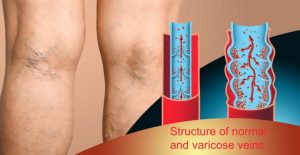
 Varicose veins are only a symptom of vein disease. While they can be problematic, they are not the only bodily effect. If you have chronic insufficiency of the venous system, you may also experience leg ulcerations on the skin that are very hard to heal as well as discoloration of the skin around the ankles.
Those with CVI also often report feeing tightness in their calves, swelling, and itching as well as pain. These are all made worse with movement and feel a bit better when at rest.
Why does Chronic Venous Insufficiency Occur?
CVI is a condition that occurs when veins responsible for pumping blood back towards the heart are unable to do their job any longer due to deterioration and weakness. The blood instead becomes pooled uncomfortably within the veins forcing them to expand and wear down.
This medical condition most commonly occurs in the legs, as it these veins that must fight the hardest against the forces of gravity in order to pump blood upwards towards the heart. While chronic venous insufficiency in itself does not pose a serious threat, it can be extremely uncomfortable for any patient who experiences it and may also present signs that other associated conditions are present, associated conditions which can pose serious threats.
Causes
The causes of CVI are quite varied, and like other venous disorders, typically develop from a combination of both genetic and individual lifestyle factors. Those who are older or who have a family history of vein disease are more likely to develop CVI, and while it was once thought that women are more affected than men, recent research has shown that both men and women are equally susceptible. Factors that are within a patient’s control include obesity, smoking, lack of exercise or general inactivity, or working in a profession that requires long periods of sitting or standing. In addition, CVI can also develop because of injury to an area or as an associated condition to such disorders as high blood pressure or deep vein thrombosis, the latter of which is a very serious venous condition.
Prevention
The recommendations for preventing chronic venous insufficiency are nearly identical to the recommendations given for maintaining your vein health in general. This advice includes maintaining a healthy diet and body weight, remaining active and getting frequent exercise, quitting smoking if applicable, and protecting your legs from trauma or injury. If you travel frequently or work in a profession that limits your movement, try to work in as many breaks as you can to move around and get your circulation going.
If any of the above symptoms sound familiar to you or you feel that you may be at risk for developing CVI in the near future, especially if your family history or personal history indicates such risk, then please contact Dr. Zuzga at the West Florida Vein Center today to schedule a vein screening by calling (727) 712-3233. www.westfloridaveincenter.com.

 Wearing certain clothing styles has been linked directly to aggravation of varicose and spider veins.
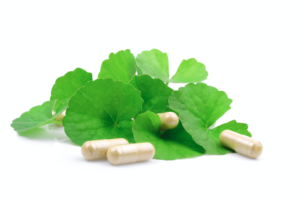 Varicose veins are not only a visual distraction they are also often painful and uncomfortable. Lifestyle alterations can help – exercising more regularly, quitting smoking, maintaining a healthy weight – all can do wonders. While the best options to permanently eliminate varicose veins are medical in nature there are some natural things you can do at home which may help support vein health overall.
 Sugar hits the pleasure center of the brain in the same way that hard drugs do. This makes refined sugar extremely addictive and very hazardous to your health. Moderation is key and elimination even better.
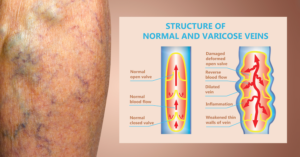 Our circulatory system is an amazing mechanism. Veins run throughout our entire body. They feed blood to every organ and cellular tissue. When veins sustain damage from trauma or vein disease – venous insufficiency they begin stages of venous insufficiency.
 That’s right. The health of your veins can be majorly impacted by what you choose to put in your body. Alcohol being one of the very worst offenders when it comes to damaging vein and circulatory health.
 We were all brought up with the four food groups. Meat & Dairy, Grains, Vegetables & Fruits, and “other”. It didn’t include or take into account all of this frozen, premade, and fast food we are bombarded with. While technically they still fall into those groups, these foods are chemically altered, GMO, and preservatived to death. There is little to no nutritional value in a lot of it.
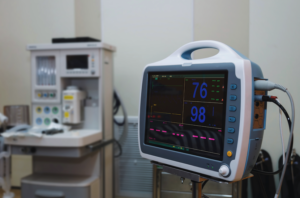 If your doctor has ever told you “You need an EKG”. You may know the feeling of confusion and worry both in an instant. We do not know how much medical knowledge each of our patients actually have come into our office. We don’t want to insult you by seemingly talking down to you, so sometimes we don’t explain as much as maybe we should.
 While you may think it would be very easy to identify vein disease the truth is it doesn’t always show up in the form you might think. Visible purple or blue veins which are lumpy and twisted are a sure sign of varicose veins as well as small wiggly lines that spider web in appearance are spider veins, but many times you may experience leg pain and have no visual cues.