
 Cardiologists and General Practitioners are no longer recommending an aspirin regimen for the majority of the public.
For years aspirin has been the standard recommended protocol for seniors. Millions age 70 and up in the USA take one aspirin per day routinely as it was previously touted as the go-to answer by the American Heart Association as the best preventative measure to help protect against potential stroke and heart attack.
In a recent study which included 20,000 patients, the outcome contradicted previous results. The recommendation of 1 aspirin a day is no longer used for anyone who is not already at an elevated risk. This risk group includes those who have already had a heart attack or stroke in their past.
If you have had either a heart attack or stroke, stents inserted, or a propensity towards blood clots – aspirin can still be a lifesaver. If that isn’t the case there are better options.
“It’s much more important to optimize lifestyle habits and control blood pressure and cholesterol as opposed to recommending aspirin.” Said Dr. Roger Blumenthal, the doctor who co-chaired the new guidelines.
Aspirin – The New Findings
Anyone who is already at a risk for bleeding – someone who is on blood thinners, has diabetes, ulcers, heart disease, kidney disease, gastrointestinal tract issues, or is on non-steroidal anti-inflammatory drugs, steroids, or anticoagulants should not use aspirin at all. Not even just for a headache.
Aspirin – What is It?
It was discovered in1763 by Reverend Edmund Stone of Chipping-Norton, England. Aspirin is made from the chemical ingredient known as Salicylic acid made from the bark of the willow tree.
A more natural approach
Aspirin is used because it’s an analgesic. An analgesic acts on the central nervous system to help alleviate pain. It is also an anti-inflammatory – when you can reduce inflammation, this also negates pain.
Salicylic acid, the same ingredient your aspirin tablets are made from, can be found right in your daily dietary intake. This is a list of foods that contain salicylic acid and can encourage your body to rely on a healthy natural alternative to aspirin in pill form.
Apples
Avocados
Blueberries
Broccoli
Cauliflower
Cherries
Chili peppers
Cucumbers
Currants (including dried currants)
Dates
Eggplant
Figs
Grapefruit
Grapes
Kiwi
Licorice (the herb, not the candy)
Meadowsweet (an herb)
Paprika
Peaches
Plums and prunes
Radishes
Raspberries
Spinach
Strawberries
Turmeric (the spice)
Willow Bark
Zucchini
If you are taking aspirin as a daily regimen preventatively consult your physician or cardiologist. Their recommendations very likely have changed thanks to modern research.
If you are in the Tampa Florida area visit www.tampacardio.com or call (813) 975-2800 to schedule a consultation.





 A pacemaker can save your life, but it is also sure to alter it as well.
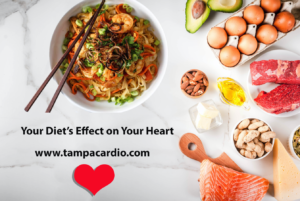 How much thought do you really give to what you are feeding your body? Many of us don’t give all that much thought. We buy food based on the fact that we enjoy it. The problem is that many of the foods we love the taste of do not contain the nutrients our bodies need in order to function.
 Most people when they hear the words heart problem begin to think immediately of a heart attack.
 Any of us who have experienced the death of a loved one who was very close to us know that the grief felt is very real and palpable. But can you really die from a broken heart?
 What is a heart murmur? Common conditions can make your heart beat faster and that can lead to the onset of a heart murmur. They can happen if you become anemic or pregnant, have an overactive thyroid, a high fever, or high blood pressure.
 In today’s day and age here in 2018, many of us lead a very sedentary lifestyle. Additionally adding to the stress on our bodies we, as Americans, are prone to a diet that lacks basic nutrition of processed or fast foods. We are a nation on the go and our bodies are paying the price. This is evident by the fact that heart disease remains one of the foremost reasons for death in the country.
 Blood pressure
 Chiropractic care is a safe, alternative treatment when applied appropriately. Chiropractic treatments help in dealing with the symptoms of many conditions. Are you going to wait for your symptoms to be felt, or are you going to prevent them before they start?