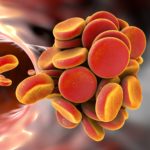
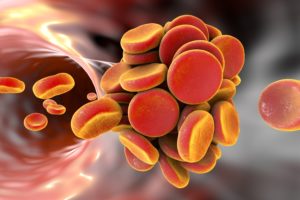
 Your heart pumps the blood through your arteries and then returns it to the heart where the process starts again. Blood is constantly flowing throughout the body. When motion and current cease blood can become stagnant, resulting in the possibility of blood clots.
When the body is injured in a way that cuts or punctures, in order to stop the bleeding a blood clot can sometimes form. Usually with no ill effects. There are times, however, when they form in locations they’re not needed in. Because of this early detection is important though recognition of symptoms and signs.
Learn the warning signs
Swelling
Developing a DVT (Deep Vein Thrombosis) also known as a blood clot in your arm or leg you could experience swelling. Risk factors for DVT include recent surgery, being stationary all of the time, or sitting on a plane at high elevation without movement for a long period of time.
Heart Palpitations
If you develop a clot in your lungs (a pulmonary embolism) it slows down your O2 rate. This causes your heart rate to speed up to make up the difference in the amount of O2 received.
Pain
Your entire body runs because of blood circulation. It requires it in order to move. A blood flow blocking clot can cause inflammation which leads to severe pain in the limb.
Color Changes
If you notice that an area in your body turns red or blueish, has a red streak, or becomes overly itchy, you may have a blood clot.
Breathing Problems
This can also be a sign of a lung based blood clot. You may have a deep cough or even cough up blood. Pain in the chest and dizziness Dizziness are also signs. Seek treatment immediately.
Elevated Blood Pressure
A kidney based clot can keep the kidneys from functioning properly and negatively influence the ability to process waste, removing it from your body. If left untreated it can cause kidney failure or higher than normal blood pressure.You may also notice you have a hard time breathing, leg swelling, blood in your urine or a fever.
Nausea or Vomiting
If a clot occurs in the veins that blocks the blood from your intestines, it can result in nausea, vomiting, blood in the stool, diarrhea, and stomach pain.
Never take a potential blood clot lightly. If you believe you may have a clot please call your doctor immediately or head to the nearest ER.
Problems Seeing and Speaking
A brain based blood clot can cause feelings of weakness, vision issues, speech problems, and even lead to a stroke.
If you are in the Tampa, Florida area and looking for a great Vein Specialist or Cardiologist please consider Tampa Cardiovascular Associates. Give us a call at (813) 975-2800 or visit online at www.tampacardio.com.

 Any of us who have experienced the death of a loved one who was very close to us know that the grief felt is very real and palpable. But can you really die from a broken heart?
 In today’s day and age here in 2018, many of us lead a very sedentary lifestyle. Additionally adding to the stress on our bodies we, as Americans, are prone to a diet that lacks basic nutrition of processed or fast foods. We are a nation on the go and our bodies are paying the price. This is evident by the fact that heart disease remains one of the foremost reasons for death in the country.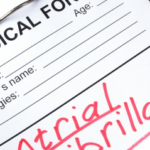
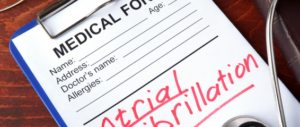 When we are younger we feel immortal, like nothing can touch us and we will live forever. Our health is generally good. The thing is, health conditions like Afib (atrial fibrillation) can strike at just about any age.
 Stress has a horribly negative effect on your body.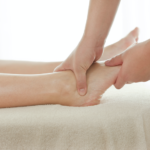
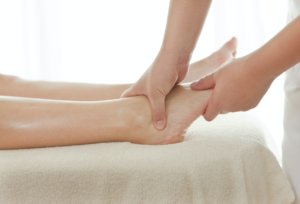 When we are in pain, we look for any and all possible solutions to get to a place of feeling well again. When your muscles get tight a therapeutic massage can help to work the tension out. It only makes logical sense that you may wonder if massage would be a viable solution for the pain of varicose veins. The answer is, unfortunately, no.