Can’t Sleep Due to Twitching Legs?

RLS

RLSYou are just about asleep and – zap. You feel an electrical impulse shoot through your leg causing it to jerk you awake.

If you are living with Restless Leg Syndrome you know first hand that trying to get to sleep at night is difficult.

Restless Leg Syndrome (RLS) is a neurological disorder in which the person has a consistent uncontrollable urge in which their limbs twitch.

RLS most strongly affects people during times of inactivity and can make it extremely difficult for a person to sleep, rest or relax. While RLS can appear in a person at any age, it is considered both a progressive disease and a spectrum disease. RLS symptoms can either become worse over time or better, depending on the patient, and the severity of symptoms also varies strongly from patient to patient. RLS can also be classified as either a primary condition – one that appears independent of other conditions – or a secondary condition – one that appears as a result of another condition or disorder that is already present.

Iron deficiency or vein issue?

Unfortunately, RLS itself cannot be prevented except by attempting to prevent its underlying causes. In terms of varicose veins and venous insufficiency, the best things that a person can do to prevent such disorders is to remain active, exercise frequently, maintain a healthy diet and weight, not smoke cigarettes, and to elevate the legs when sitting or laying down. While these actions cannot prevent all the underlying causes of RLS, they can at least help to prevent those instances where RLS is caused by venous insufficiency.

While the most common cause of RLS remains an iron deficiency many cases occur as a result of varicose veins or venous reflux. Varicose veins are not only physically unattractive, but they can also cause severe discomfort and pain in the afflicted area, a discomfort that, like in RLS, can only be alleviated by activity and movement. Fortunately, as more is becoming known about the correlation between RLS and vein disorders, many patients are finding relief for their RLS symptoms through treatments of their veins.

One such treatment for varicose veins is endovenous ablation therapy, a procedure that uses heat in either lasers or radio frequencies to seal off and close affected veins. Many patients report immediate relief in their symptoms, and, because the procedure is minimally invasive and relatively painless, most patients are able to resume their normal activities almost immediately and experience no interruption in their work or home life as a result.

While there is no cure for RLS, no one should have to suffer through daily and nightly discomfort, and treatments are available through most insurance policies. Dr. Magnant of Vein Specialists is always available for a consultation and diagnosis and is here to help whether your RLS is simply a minor annoyance or a major disruption in your quality of life. If you are experiencing any of the symptoms of Restless Leg Syndrome, seeing a physician that specializes in vein disorders could be the most important step you take towards alleviating your symptoms.

If you are living with RLS visit www.eveinscreening.com and start today with a FREE online screening and talk with a professional Vein Specialist.

Could The Answer to Your Illness Lie In Your Feelings?

emotions

emotionsYour Emotions May Be Making You Sick

Do you deal with your feelings and let them out to be known or do you stifle them, and try and sweep them under the rug, just to move on with things?

If you don’t allow yourself to feel whatever you feel, process it, and then let it go you are doing yourself a great disservice. Pushing “bad” feelings down doesn’t make them go away. It’s like tossing unwanted objects into a closet. Yes, it may get them out of the way, out of sight and work for a while, but eventually, that closet gets full – too full. It may not close and when you open it an avalanche of crap may tumble out, burying you.

Emotional health has a direct effect on your physical health, over time. Emotions tend to work like an echo. Your sickness of today may just be your build up of non dealt with feelings of yesterday. And by yesterday, I do not mean that literally, it can be building up for years and in turn, begins to eat away at the self.

We are such a busy society. We focus on work, kids, school, jobs, life in general, keeping our family happy, and keeping it all together. We juggle, we schedule, we have trouble sleeping and feel rushed quite a bit of the time. We forget the most important person in our life many times. Ourselves.

Being selfish has gotten such a bad connotation. It has taken on the meaning of not caring about anyone but yourself and is therefore marked into the checkbox of being a bad person. The truth is, you need to not be selfless all the time. YOU are important. If you don’t take care of yourself no one else is going to do it. Eventually, lack of self-care or “selfishness” often leads to breakdown – either emotionally or physically due to stress.

Take care of yourself. Take the time to check in with yourself and your body and how you are feeling. When someone who actually does care about you asks “how are you?” Don’t just get stuck on auto-respond of “fine”. If you aren’t fine. Say so. Let it out, talk about it. So many of us are like teakettles ready to explode. Venting lets out that steam and you may be surprised to find out that people really do actually care and are able to empathize.

Along with the emotional side of health is the physical – it is a balance. Remaining in proper alignment by way of regularly scheduled chiropractic and massage appointments can go a long way in not only restoring but in maintaining your health.


Chiropractor & Nutritionist in Fort Myers, FL.

Fort Myers Chiropractor, Dr. Jason B. KasterChiropractic care is a safe, alternative treatment when applied appropriately. Chiropractic treatments help in dealing with the symptoms of many conditions. Are you going to wait for your symptoms to be felt, or are you going to prevent them before they start?

Dr. Jason B. Kaster, a chiropractor, and nutritionist in Fort Myers can help you and your family achieve their optimal health.

Natural Help for High Blood Pressure

high-blood-pressure

high-blood-pressureBlood pressure defined

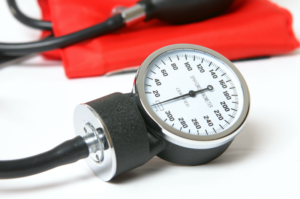
Blood pressure is the measure of pressure created by your heart beating, forcing the blood into your arteries and throughout your body. There are two numbers in the reading. The top number is known as systolic – it defines the maximum pressure inside your arteries as your heart beats. The bottom number known as diastolic is the amount of pressure inside the arteries between beats.

If you take your blood pressure and its over the recommended 120/80 it is important to pay attention and start tracking it. Heart disease doesn’t set in overnight. It takes time and can creep up on you till suddenly you are ill and dont even know what happened.

What’s “high” vs. Whats considered normal blood pressure

120/80 mm Hg. is ideal.

140/98 mm Hg signals possible Hypertension (high blood pressure)when the measurement is sustained for at least 2 consecutive readings.   Elevated blood pressure can present a problem because puts adds additional pressure to your entire cardiovascular system including your heart which must then work even harder to move the blood around your body. A continued reading at or above that level means you have hypertension.

What causes high blood pressure?

So far no exact cause has been pinpointed in high pressure for the majority of patients. This is known as primary high blood pressure. Secondary hypertension can come from the use of birth control pills, excessive alcohol intake, or even renal or thyroid disease. 

Other Factors That Can Come Into Play

  • Age
  • Level of physical activity (too sedentary of a lifestyle)
  • Obesity
  • Diabetes
  • Smoking
  • Heredity
  • High Salt Intake
  • Drinking alcohol excessively
  • Get your thyroid blood levels checked

I have high blood pressure – what do I do?

There are several natural things that can help for you to try before resorting to pharmaceutical blood pressure medications which, while they may bring your numbers down to normal levels and be beneficial for your cardiovascular health have the high-risk potential for a wide range of very dangerous side effects which can affect your health physically and emotionally.

Natural Alternatives to Help Lower Blood Pressure

If you know you have high blood pressure and would like to consider some alternatives outside of medication we would love the opportunity to work with you to get your health to where it should be so you can live the best life possible.

Chiropractor & Nutritionist in Fort Myers, FL.

Fort Myers Chiropractor, Dr. Jason B. KasterChiropractic care is a safe, alternative treatment when applied appropriately. Chiropractic treatments help in dealing with the symptoms of many conditions. Are you going to wait for your symptoms to be felt, or are you going to prevent them before they start?

Dr. Jason B. Kaster, a chiropractor, and nutritionist in Fort Myers can help you and your family achieve their optimal health.

Could it be May Thurner Syndrome?

may thurner syndrome

may thurner syndromeAre you experiencing symptoms?

Lower left leg edema and pain are the two classic symptoms. It is primarily seen in younger women twenty to forty following pregnancy or immobilization. May Thurner Syndrome is chronic. Because of this patients also tend to present pigmentation changes, varicose veins, chronic leg pain, phlebitis and skin ulcers.

It can be described in three stages:

1 – Asymptomatic iliac vein compression

2 – Development of a venous spur

3 – Development of the left iliac vein DVT

What is May Thurner?

Compression Syndrome (also called May Thurner Syndrome or Crockett Syndrome) is an affliction that is fairly rare. It consists of an anatomical variant where the left iliac artery is compressed by the right iliac artery.

May Thurner Syndrome is known by several names – iliocaval compression syndrome, Cockett syndrome or iliac vein compression syndrome. This affliction is an anatomical variant where the right lilac artery compressed the left iliac vein against the fifth lumbar vertebra.  Because of this deformity, it causes left side vein compression leading to deep vein thrombosis in the left iliofemoral.

How is it diagnosed?

Diagnosis is not always straightforward. Radiological evidence of compression combined with symptoms presented is key. Doppler ultrasound can detect a deep vein thrombosis in the iliac vessels. CT and magnetic imaging may also be used. Seeing a vein specialist is vital if you suspect you may have a vein issue including May Thurner Syndrome.

Is it treatable?

Yes. Treatment clears the thrombus to print post-thrombotic syndrome and to correct the initial compression of the left iliac vein. Several different surgical procedures may be used.

If left untreated a significant number of patients will develop post-thrombotic syndrome which can be debilitating.

Management of May-Thurner syndrome has evolved over the years.  Endovascular therapy has become the primary treatment. With early recognition and aggressive treatment, May-Thurner syndrome is a manageable disease.

If you live in the Tampa bay area and feel you may have vein issues please call us at 813-975-2800 or schedule an evaluation through our online form.

www.tampacardio.com

AFIB – Not just for older people

AFIB

AFIBWhen we are younger we feel immortal, like nothing can touch us and we will live forever. Our health is generally good.  The thing is, health conditions like Afib (atrial fibrillation) can strike at just about any age.

What is Afib?

Atrial Fibrillation, is a condition many of us remain blissfully unaware of. It is sometimes referred to for short as Afib. It is an irregular heartbeat. Afib is the most common type of arrhythmia. Even if you are young and in good health, you can still present with Afib due to stress.

Other risk factors may include certain medications, heavy alcohol consumption, or training as an endurance athlete, or structural heart defects.

When no risk factors exist,  a sleep study may be conducted as sleep apnea can be a causing culprit. The fact is that with Afib, the cause isn’t always discovered. Even with an unknown cause, unlike most things in life, there is still a possible solution. Having an ablation procedure done which knocks out the part of the heart which keeps having the episodes.

The term Lone Afib has been used for more than half a century and is used to describe an atrial fibrillation of unknown origin.

Long-term and untreated Afib wears out your heart and entire cardiovascular system. This puts you at a higher risk of stroke. In many people, it will also cause chest pain, heart attack or even heart failure. If you have signs of Atrial Fibrillation it’s important to see your doctor right away

Symptoms can include:

Rapid Heartbeat

Shortness of breath

Heart palpitations

Exhaustion without exertion

Exhaustion during workouts

Irregular heartbeat

Confusion

Dizziness

Doctors diagnose atrial fibrillation using family and individual medical history as well as a physical exam, and an electrocardiogram. Treatments can include select medicines and procedures designed to restore normal rhythm.

Heart issues are among the most disturbing to deal with after all your heart is the core of your being. If you feel the above symptoms and they do not subside with rest, relaxation, or attempts to de-stress it is important to seek medical advice.

If you live in the Tampa Bay area and are looking for a great cardiology team, please call us at 813-975-2800. Patient comfort and care are a priority here at Tampa Cardiovascular Associates. We look forward to talking with you. www.tampacardio.com.

Could Sugar Harm Your Heart?

sugar

sugarThe answer is YES sugar can harm your heart when eaten in excess.

Our bodies do not need sugar to function and run properly. They contribute nothing nutritionally.

When you first begin to eliminate sugar from your diet you may actually go through a withdrawal stage. Both physically and psychologically. You may miss the taste, the feel, the smell, everything about it. Sugar gives your body a high. But it isn’t a clean high and there is always a crash. The side effects being ill health and extra body fat. When repeated over and over again, damage can be done to the body and to the heart.

The American Medical Association of Internal Medicine back in January of 2014 found that the odds of dying from a heart-related condition rose incrementally right along with the patient’s diet – regardless of other factors that would seem to come into play such as age, sex, activity level, and even BMI.

Most adults in the USA consume 22 teaspoons of added sugar a day without even realizing it. That’s more than 3x what is recommended. Ideally no more than 100 calories a day (6 teaspoons) should come from sugar.

The  American diet is chock full of hidden sugars, especially prepackaged and processed foods. The amount of sugar you consume during a given day may surprise you. Our bodies are not designed to need excess sugar, especially non-natural sugars. They can increase your risk of cardiovascular disease as well as raise your cholesterol levels, boost your risk for high blood pressure and add on extra unwanted pounds.

Ways to Eliminate Added Sugars

Remove from your diet: Soft drinks, candies, cakes, cookies, pies, fruit drinks, milk products, grains,  canned fruit in syrups, fruit yogurts, cereals with added sugars, and so on. Get your sugar from natural sources such as fruit and whole milk in small servings.

To learn more about how to care for your heart, check back regularly. If you are in the Tampa, Florida area and looking for a great cardiovascular team check out www.tampacardio.com Tampa Cardiovascular Associates or call us at (813) 975-2800.

Could you be Magnesium Deficient?

magnesium

magnesiumMagnesium deficiency can cause a whole host of issues in the body that can mimic other ailments and is often missed. If you are feeling under the weather and can’t figure out why it’s important to find a good nutritionist who really understands physiology and nutrition who can work with you.

Though you can become deficient in a multitude of minerals today lets focus on magnesium.

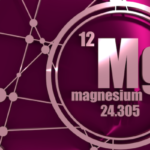
Magnesium is sometimes referred to as the “Master Mineral”. It has earned this nickname because it is responsible for several hundred metabolic processes in the body.

Having a deficiency in magnesium can cause health issues that can masquerade as other problems so you might not figure it out easily.

Why is Magnesium important?

Magnesium is necessary for the proper transportation of calcium throughout the body. Calcium needs other nutrients such as Magnesium, Silica, Vitamin D, Vitamin K that help allow it to become one with bone. Excessive calcium intake has been linked to heart health issues because it stays in the blood rather than being absorbed into the bone as intended and ends up calcifying into arterial plaque.
Magnesium plays a part in numerous parts of the body. It is an anti-inflammatory mineral, which offers protection against illnesses like Alzheimer’s,
 arthritis, high blood pressure, respiratory issues, diabetes and more. In many cases, just raising magnesium levels can have a profoundly positive effect.

Are you showing Magnesium Deficiency Symptoms?

You may experience the following alone or in combination as signals:

  • Inability to sleep or insomnia
  • Irritability
  • Sensitivity to noise
  • Mental disturbances
  • Anxiety, depression or restlessness
  • Muscle soreness or spasms
  • Infertility or PMS
  • High levels of stress
  • Headaches
  • Heart “flutters” or palpitations
  • Fatigue or unusual tiredness
  • Coldness in extremities
  • Fuzzy brain or difficulty concentrating
  • Allergies and sensitivities
  • Lack of appetite
  • Back pain
  • Body odor
  • Bad short term memory
  • Poor coordination
  • Insulin resistance
  • Carbohydrate cravings
  • Constipation
  • Frequent cavities or poor dental health
  • Gut disorders
  • Kidney stones
  • Thyroid problems
  • Confusion
  • Dizziness
  • PMS symptoms

What causes a magnesium deficiency?

Because of modern farming methods, our soils are depleted of not only magnesium but also many other trace minerals that used to be present. The Recommended Daily Allowance for magnesium is 240 to 420 milligrams. *Some doctors feel it should be nearly double the RDA.

Your doctor can test your Magnesium levels by using an Exa Test. Blood tests alone are not generally accurate because magnesium works inside your cells, not just in the bloodstream.

Even if you are not able to visit a doctor, paying attention to your body can alert you to the need for extra magnesium supplementation.

Other causes of depletion can include:

  • Eating processed food (depleted of minerals)
  • Drinking alcohol
  • Drinking fluoridated water
  • Sugar
  • Caffeine
  • Drugs like birth control pills, hypertension medicine, diuretics, insulin, and certain antibiotics

So you think you might have a deficiency… Now what?

There are a few options!

1. Up the amount of magnesium-rich foods, you eat in your diet.

  • Almonds
  • Squash
  • Spinach
  • Cashews
  • Black beans
  • Sunflower seeds
  • Sesame, Pumpkin, Sunflower seeds
  • Brown Rice
  • Okra
  • Avocados
  • Bananas
  • Dried Figs
  • Dark Chocolate

2. Supplement – Magnesium Citrate is among the most readily absorbed forms of Magnesium. *If you experience an irregular heartbeat, slowed breathing or diarrhea lower the dosage. (This is rare and usually will only happen if you consume a great deal of magnesium, but its good to be aware).

3. Transdermal Magnesium (absorbed through the skin) – Magnesium Chloride, also known as Magnesium Oil, is not actually oil but a slippery brine solution taken from sea beds. It comes in a handy spray bottle and is very good for your skin as well.
Magnesium applied directly to the skin alleviates chronic pain and muscle cramps.

*A note on using this: If you are deficient, it can actually sting a little bit after or during application. It is very salty and can leave a white chalky film on your skin and a funny feeling residue. It is advisable to either use it before bedtime or to spray it on, leave for a good 20 minutes to allow it to soak in, then re-shower before getting dressed.

If Magnesium Deficiency is indeed causing you physical issues, once you begin supplementing you should begin to notice a difference within a matter of days.
If symptoms persist even though you are getting more Magnesium, you may want to seek medical advice.

If you happen to be in the Fort Myers, FL area please call the office of Dr. Jason Kaster, D.C. at 239-332-2555 or visit www.drkasters.com for more great health information!

Could your RLS Be Caused by Underlying Vein Issues?

RLS

RLSIt’s late. You are exhausted. You want nothing more than a good nights rest.

If you deal with Restless Leg Syndrome you know trying to get to sleep at night can be nearly impossible.

In RLS your legs move on their own accord. It may feel like small electrical pulses as if you are hooked up to a TENS unit. Restless Leg Syndrome is a neurological disorder where the person has a consistent uncontrollable urge in which their limbs twitch.

RLS symptoms can either become worse over time or better, depending on the patient, and the severity of symptoms also varies strongly from patient to patient. While RLS can appear in a person at any age, it is considered both a progressive disease and a spectrum disease.  RLS can also be classified as either a primary condition – one that appears independent of other conditions – or a secondary condition – one that appears as a result of another condition or disorder that is already present.

Has a cause been determined?

While the most common cause of RLS remains an iron deficiency many cases occur as a result of varicose veins or venous reflux.

Varicose veins are not only physically unattractive, but they can also cause severe discomfort and pain in the afflicted area, a discomfort that, like in RLS, can only be alleviated by activity and movement. Fortunately, as more is becoming known about the correlation between RLS and vein disorders, many patients are finding relief for their RLS symptoms through treatments of their veins.

One such treatment for varicose veins is endovenous ablation therapy, a procedure that uses heat in either lasers or radio frequencies to seal off and close affected veins. Many patients report immediate relief in their symptoms, and, because the procedure is minimally invasive and relatively painless, most patients are able to resume their normal activities almost immediately and experience no interruption in their work or home life as a result.

RLS itself cannot be prevented except by attempting to uncover and heal its root cause. In terms of varicose veins and venous insufficiency, the best things that someone can do to help prevent this neurological disorders is to remain active, exercise frequently, maintain a healthy diet and weight, not smoke cigarettes, and to elevate the legs when sitting or laying down. While these actions cannot prevent all the underlying causes of RLS, they can at least help to prevent those instances where RLS is caused by venous insufficiency.

If you are experiencing any of the symptoms of Restless Leg Syndrome, seeing a physician that specializes in vein disorders could be the most important step you take towards alleviating your symptoms. While there is no cure for RLS, no one should have to suffer through daily and nightly discomfort, and treatments are available through most insurance policies. Dr. Magnant of Vein Specialists is always available for a consultation and diagnosis and is here to help whether your RLS is simply a minor annoyance or a major disruption in your quality of life.

If you are living with RLS visit www.eveinscreening.com and start today with a FREE online screening and talk with a professional Vein Specialist.

Oregano – Nature’s Super Healer

oregano

oreganoOregano is a member of the mint family. It has often been nicknamed nature’s most potent antiseptic and described as one of the strongest known anti-inflammatory substances. Oregano oil has powerful anti-viral properties. In terms of reversing pain and inflammation; it has nearly the same power of morphine. Yet it remains relatively unknown. 

Oregano oil has been certified by the FDA as GRAS (Generally Recognized As Safe); however, it is a very “hot” oil, so dilution is a carrier oil is recommended, especially for ingestion. You can purchase Oregano Oil capsules over the counter at any grocery or drugstore.

Numerous studies have shown it to be highly destructive to a multitude of viruses including Staph, E-Coli, Listeria and even MRSA. It has been demonstrated to be 99% effective at reducing airborne bacteria as well and is an excellent lymphatic stimulator even fighting off fungal infections. A recent medical journal study compared the anti-candida effect of oregano oil to that caprylic acid.  The results indicated that oregano oil is over 100 times more potent than caprylic acid against candida.

Oregano is a must have for every first aid kit and not a bad idea to keep in your medicine cabinet either.

What is oregano good for?

-Fungus and athlete’s foot infections (pop open a soft-gel and apply 2x daily)

-Respiratory ailments

-Colds

-Flu

-A sore throat

-Asthma

-Bronchitis. 

-Congestion, loosen phlegm and quiet coughs.  Either applying it topically (diluted, unless applied to the bottom of the feet) or diffused, it offers you excellent benefits.

-Intestinal infection

-Digestive issues

Diffused into the air for its antiseptic and anti-bacterial properties, to clear the air of pathogens (for this method oregano oil must be pure – not mixed with a carrier oil)

How to use oregano medicinally:

As with any antibiotic if you are choosing to use a natural antibiotic for an infection make sure that you do a full course. In other words… don’t just use it until you feel better. Keep going for a minimum of 5-10 days. As with all antibiotics, if you quit taking them just when you begin to feel better, the bacteria that remain may actually rally and come back stronger giving you less of a chance to be able to fight them off should you choose to start again.

Interested in homeopathy, chiropractic, natural wellness, nutrition and overall health? Contact the office of Dr. Jason Kaster, D.C. of Fort Myers, Florida. 239-332-2555.

Moringa – The Miracle Supplement

moringa

moringaHave you tried moringa yet? It comes as both a capsule or a powder or if you are very lucky, fresh.

The leaves, flowers, bark, fruit, and root, and seeds can all be used medicinally.

 Moringa contains 4 times the Vitamin A of carrots, 7 times the Vitamin C of oranges, 4 times the calcium of milk,  and two times the protein of yogurt and 3 times the potassium of bananas.

Moringa is an important food source in many parts of the world as it can be grown inexpensively, and the leaves retain vitamins and minerals when dried, moringa is used in Africa and India to fight malnutrition.

The immature green pods are prepared similarly to green beans, while the seeds are removed from more mature pods and cooked like peas or roasted like nuts. The leaves are cooked and used like spinach, and they are also dried and powdered for use as a supplement and condiment. It will, however, only grow in tropical and subtropical climates.

The oil from moringa seeds can be used in foods, perfume, and hair care products, and as a machine lubricant. The seed cake remaining after oil extraction can even be used as a fertilizer and also to purify well water and to remove salt from seawater.

Moringa’s Many Benefits:

WHEN TAKEN ORALLY 

    Anemia.

    Arthritis.

    Asthma.

    Cancer.

    Constipation.

    Birth control. (please do further research on dosage and timing)

    Diabetes.

    Diarrhea.

    Epilepsy.

    Stomach pain (gastritis).

    Stomach and intestinal ulcers.

    A headache.

    Heart problems.

    High blood pressure.

    Kidney stones.

    Swelling (inflammation).

    Thyroid disorders.

    Infections.

    Increasing breast milk production.

    As a nutritional supplement.

    Stimulating immunity.

    Increasing sex drive.

TOPICALLY

    Athlete’s foot.

    Dandruff.

    Warts.

    Skin infections.

    Snakebites.

    Gum disease (gingivitis).

    Astringent.

    Wounds

Directions: Follow the directions on the label. BUT I will add this – Please start slowly with Moringa. Everyone’s body is different. If it says 2 spoonfuls daily, trust me – start with ½ of a spoonful and work your way up. Moringa in too high of a dose can cause nausea, vomiting and even explosive diarrhea.

With the right dose, you should feel good, have more energy and notice a daily improvement.

Special Precautions & Warnings:

Pregnancy and breastfeeding: It’s UNSAFE to use moringa if you are pregnant. Chemicals in the root, bark, and flowers can make the uterus contract, and this might cause a miscarriage.

It’s also best to avoid moringa if you are breastfeeding. There isn’t enough information to know whether it is safe for a nursing infant.

Because of our tropical climate here in SW Florida, you can actually grow your own Moringa tree right in your yard. Make sure to plant it somewhere you do not mind a large tree growing because they do grow rather fast. To use it fresh you can pick branches right off the tree and eat the leaves.

For more amazing health information you may not know about by visiting the blog of Dr. Jason Kaster, D.C. Chiropractor and Nutritionist in Fort Myers, Florida www.drkasters.com | 239.332.2555