
Skincare, Naturally!

skincare

skincareYour skin is the largest organ in your body.

Just because it’s on the outside as wrapping doesn’t mean you don’t need to care for it just as you do the rest of you.

When we are young our skin is filled with collagen making it feel very elastic and well hydrated. That is what gives the youthful appearance. As we age, lifestyle and environmental factors, as well as genetics, begin to take a toll on our skin and in turn can age us visually.

60% water. That is the makeup of the human body. It only stands to reason that if you are dehydrated, much like a raisin – you start to shrivel or wrinkle. Your skin is filled with pores acting as a filter allowing you to rid your system of toxins and to sweat when necessary in order to cool down. Keeping your skin clean and moisturized play a vital role in caring for your body.

Directions to keep your skin its best, even as you age.

#1Hydration – Drinking water and staying away from sugary drinks and artificial sweeteners, as well as moderation in caffeinated beverages, is a great step.

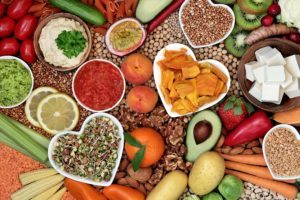
#2 Eat a well-balanced diet.  Temporary supplementation of vitamins and minerals you are lacking can also prove to be very healing. Your skin is a reflection of how healthy you are on the inside.

#3 Cleansing the skin on a daily basis. There are a multitude of creams, soaps and cleansers on the market today and everyone has their own opinions on what works and what doesn’t. Choose a cleanser that is suited for your skin type whether it is oily, dry, combination or sensitive there are many quality products on the market. The more natural the better – many soaps and shampoos these days are made with the same ingredients as your floor cleaner so read the labels! A good rule of thumb is – if you trip over the words trying to pronounce them, chances are it’s not in your best interest to rub it on your body!

#4Toning – The purpose of a toner is to wash away any residual dirt or soap left from washing your face. A good toner, sometimes called an astringent, cleanses and shrinks your pours in a sense “toning” your skin.

#5 Exfoliating – Exfoliation helps your skin to shed the dead outer layer of cells through the use of scrubs, loofah sponges, bristle brushes and towards the more extreme – peels or laser.

#6 Moisturizing. Surface moisturizers are designed to add hydration from the outside of the body by applying a layer of viscous cream or lotion to be absorbed into the skin. Again, read your labels and see what it is you are rubbing on and soaking into your body. Just because it smells good doesn’t mean it’s good for you. This is a vital step.

#7 Sun protection.   It has been shown in recent studies that retinyl palmitate, an ingredient in most sunscreens, was shown to accelerate cancer in lab animals. The other problem with wearing a sunscreen all of the time you are outside is that exposure to the sun creates Vitamin D in our bodies which is vital for good health. Vitamin D plays a role in supporting healthy bones by proportioning the absorption of calcium, lowers your blood pressure, and is one of the most potent inhibitors of cancer cell growth! Additionally it helps to regulate your immune system so while sunburn is dangerous and repeated sunburns are extremely dangerous some sun on your skin is needed and very healthy for you. Use your best judgment. If you are going to be outside for an extended period of time cover up with hats and clothing, and if you choose to use a sunscreen make sure it does not contain retinyl palmitate.

#8 Quit Smoking – Smoking makes your skin dull and contributes to wrinkles giving you the appearance of advanced age.

#9 Reduce Stress Stress is a huge contributing factor to skin condition and appearance. We know its easy for us to tell you to eliminate stress, and not always so easy to put into practice. Don’t worry, we will give you some amazing tips in an upcoming article – so keep an eye out!

Caring for your skin doesn’t need to be a time-consuming hassle. Once you get your skin care products and regiment together, it becomes like second nature. And after all… aren’t you worth it?

Come in for a nutrition appointment and get your diet on track – it could boost not only the look and feel of your skin but your overall health as well.

Chiropractor & Nutritionist in Fort Myers, FL.

Fort Myers Chiropractor, Dr. Jason B. KasterChiropractic care is a safe, alternative treatment when applied appropriately. Chiropractic treatments help in dealing with the symptoms of many conditions. Are you going to wait for your symptoms to be felt, or are you going to prevent them before they start?


Dr. Jason B. Kaster, a chiropractor, and nutritionist in Fort Myers can help you and your family achieve their optimal health.

Could you be Magnesium Deficient?

magnesium

magnesiumMagnesium deficiency can cause a whole host of issues in the body that can mimic other ailments and is often missed. If you are feeling under the weather and can’t figure out why it’s important to find a good nutritionist who really understands physiology and nutrition who can work with you.


Though you can become deficient in a multitude of minerals today lets focus on magnesium.

Magnesium is sometimes referred to as the “Master Mineral”. It has earned this nickname because it is responsible for several hundred metabolic processes in the body.

Having a deficiency in magnesium can cause health issues that can masquerade as other problems so you might not figure it out easily.

Why is Magnesium important?

Magnesium is necessary for the proper transportation of calcium throughout the body. Calcium needs other nutrients such as Magnesium, Silica, Vitamin D, Vitamin K that help allow it to become one with bone. Excessive calcium intake has been linked to heart health issues because it stays in the blood rather than being absorbed into the bone as intended and ends up calcifying into arterial plaque.
Magnesium plays a part in numerous parts of the body. It is an anti-inflammatory mineral, which offers protection against illnesses like Alzheimer’s,
 arthritis, high blood pressure, respiratory issues, diabetes and more. In many cases, just raising magnesium levels can have a profoundly positive effect.

Are you showing Magnesium Deficiency Symptoms?

You may experience the following alone or in combination as signals:

  • Inability to sleep or insomnia
  • Irritability
  • Sensitivity to noise
  • Mental disturbances
  • Anxiety, depression or restlessness
  • Muscle soreness or spasms
  • Infertility or PMS
  • High levels of stress
  • Headaches
  • Heart “flutters” or palpitations
  • Fatigue or unusual tiredness
  • Coldness in extremities
  • Fuzzy brain or difficulty concentrating
  • Allergies and sensitivities
  • Lack of appetite
  • Back pain
  • Body odor
  • Bad short term memory
  • Poor coordination
  • Insulin resistance
  • Carbohydrate cravings
  • Constipation
  • Frequent cavities or poor dental health
  • Gut disorders
  • Kidney stones
  • Thyroid problems
  • Confusion
  • Dizziness
  • PMS symptoms

What causes a magnesium deficiency?

Because of modern farming methods, our soils are depleted of not only magnesium but also many other trace minerals that used to be present. The Recommended Daily Allowance for magnesium is 240 to 420 milligrams. *Some doctors feel it should be nearly double the RDA.

Your doctor can test your Magnesium levels by using an Exa Test. Blood tests alone are not generally accurate because magnesium works inside your cells, not just in the bloodstream.

Even if you are not able to visit a doctor, paying attention to your body can alert you to the need for extra magnesium supplementation.

Other causes of depletion can include:

  • Eating processed food (depleted of minerals)
  • Drinking alcohol
  • Drinking fluoridated water
  • Sugar
  • Caffeine
  • Drugs like birth control pills, hypertension medicine, diuretics, insulin, and certain antibiotics

So you think you might have a deficiency… Now what?

There are a few options!

1. Up the amount of magnesium-rich foods, you eat in your diet.

  • Almonds
  • Squash
  • Spinach
  • Cashews
  • Black beans
  • Sunflower seeds
  • Sesame, Pumpkin, Sunflower seeds
  • Brown Rice
  • Okra
  • Avocados
  • Bananas
  • Dried Figs
  • Dark Chocolate

2. Supplement – Magnesium Citrate is among the most readily absorbed forms of Magnesium. *If you experience an irregular heartbeat, slowed breathing or diarrhea lower the dosage. (This is rare and usually will only happen if you consume a great deal of magnesium, but its good to be aware).

3. Transdermal Magnesium (absorbed through the skin) – Magnesium Chloride, also known as Magnesium Oil, is not actually oil but a slippery brine solution taken from sea beds. It comes in a handy spray bottle and is very good for your skin as well.
Magnesium applied directly to the skin alleviates chronic pain and muscle cramps.

*A note on using this: If you are deficient, it can actually sting a little bit after or during application. It is very salty and can leave a white chalky film on your skin and a funny feeling residue. It is advisable to either use it before bedtime or to spray it on, leave for a good 20 minutes to allow it to soak in, then re-shower before getting dressed.

If Magnesium Deficiency is indeed causing you physical issues, once you begin supplementing you should begin to notice a difference within a matter of days.
If symptoms persist even though you are getting more Magnesium, you may want to seek medical advice.

If you happen to be in the Fort Myers, FL area please call the office of Dr. Jason Kaster, D.C. at 239-332-2555 or visit www.drkasters.com for more great health information!

Moringa – The Miracle Supplement

moringa

moringaHave you tried moringa yet? It comes as both a capsule or a powder or if you are very lucky, fresh.


The leaves, flowers, bark, fruit, and root, and seeds can all be used medicinally.

 Moringa contains 4 times the Vitamin A of carrots, 7 times the Vitamin C of oranges, 4 times the calcium of milk,  and two times the protein of yogurt and 3 times the potassium of bananas.

Moringa is an important food source in many parts of the world as it can be grown inexpensively, and the leaves retain vitamins and minerals when dried, moringa is used in Africa and India to fight malnutrition.

The immature green pods are prepared similarly to green beans, while the seeds are removed from more mature pods and cooked like peas or roasted like nuts. The leaves are cooked and used like spinach, and they are also dried and powdered for use as a supplement and condiment. It will, however, only grow in tropical and subtropical climates.

The oil from moringa seeds can be used in foods, perfume, and hair care products, and as a machine lubricant. The seed cake remaining after oil extraction can even be used as a fertilizer and also to purify well water and to remove salt from seawater.

Moringa’s Many Benefits:

WHEN TAKEN ORALLY 

    Anemia.

    Arthritis.

    Asthma.

    Cancer.

    Constipation.

    Birth control. (please do further research on dosage and timing)

    Diabetes.

    Diarrhea.

    Epilepsy.

    Stomach pain (gastritis).

    Stomach and intestinal ulcers.

    A headache.

    Heart problems.

    High blood pressure.

    Kidney stones.

    Swelling (inflammation).

    Thyroid disorders.

    Infections.

    Increasing breast milk production.

    As a nutritional supplement.

    Stimulating immunity.

    Increasing sex drive.

TOPICALLY

    Athlete’s foot.

    Dandruff.

    Warts.

    Skin infections.

    Snakebites.

    Gum disease (gingivitis).

    Astringent.

    Wounds

Directions: Follow the directions on the label. BUT I will add this – Please start slowly with Moringa. Everyone’s body is different. If it says 2 spoonfuls daily, trust me – start with ½ of a spoonful and work your way up. Moringa in too high of a dose can cause nausea, vomiting and even explosive diarrhea.

With the right dose, you should feel good, have more energy and notice a daily improvement.

Special Precautions & Warnings:

Pregnancy and breastfeeding: It’s UNSAFE to use moringa if you are pregnant. Chemicals in the root, bark, and flowers can make the uterus contract, and this might cause a miscarriage.

It’s also best to avoid moringa if you are breastfeeding. There isn’t enough information to know whether it is safe for a nursing infant.

Because of our tropical climate here in SW Florida, you can actually grow your own Moringa tree right in your yard. Make sure to plant it somewhere you do not mind a large tree growing because they do grow rather fast. To use it fresh you can pick branches right off the tree and eat the leaves.

For more amazing health information you may not know about by visiting the blog of Dr. Jason Kaster, D.C. Chiropractor and Nutritionist in Fort Myers, Florida www.drkasters.com | 239.332.2555

Is it Menopause?

menopause

menopauseIf you are in the age range of 35-50 you may start to experience symptoms of menopause.


What is menopause?

Menopause is the time at which menstruation stops for a woman and she is no longer able to reproduce. It can include hot flashes, night sweats, sleep issues, emotional swings,irregular or missed periods, hair thinning, and even changes in sexual appetite. These are all very jarring symptoms that can interrupt your daily life. All you want is to feel back to your old self again. But how do you get there? Television advertisements would have you believe that your only salvation is through hormone replacement therapy. That just isn’t the case.

Tips and Tricks to help alleviate symptoms

While its not reasonable to expect to avoid hot flashes there are triggers that can bring them on more frequently or cause them to be more severe.

Triggers can include:

  • An overly warm environment
  • Hot hair dryers
  • Hot food or drinks
  • Exercise
  • Stress
  • Smoking
  • Alcohol
  • Sugary foods
  • Eating spicy foods  
  • Hormonal changes

A few ways to combat hot flashes:

  • Wear lightweight, absorbent cotton clothing, and pajamas at night.
  • Grab a cold drink when you start to overheat.
  • Turn on a fan or go into a cooler room.
  • Try to relax with meditation or deep breathing if you feel nervous or anxious
  • Dress in layers.

While all of these tips will help, the key is proper nutritional support. Eating will can keep your body in balance.

There are certain natural herbs and plants that can ease the transitional symptoms.

Black Cohosh

Beneficial for both men and women in supporting healthy blood pressure and cholesterol levels. It supports relief from women related issues. Supports a healthy respiratory system. CAUTION: Should not be used during pregnancy or in the presence of chronic illness.

Wild Yam

Contains progesterone-like substance that helps support women health issues. Also supports healthy joints. CAUTION: Should not be used during pregnancy.

Dong Quai

Don’t Quai is a good herb for women supporting their monthly health issues. It nourishes the reproductive organs and is great for the blood. It also supports relaxation. CAUTION: Should not be used during pregnancy. Should not be used by diabetics, or persons who are light-sensitive.

Kudzu

Kudzu supports bone strength and is rich in isoflavones.

Red Clover

Red Clover supports healthy lungs. Helps strengthen the immune system. Phytoestrogens contained in Red Clover support healthy bones in women during menopause. It is also good for skin disorders.

Licorice

Great for digestive problems.  CAUTION: SHOULD NOT BE USED BY THOSE WITH DIABETES, HEART DISEASE, HIGH BLOOD PRESSURE, SEVERE MENSTRUAL PROBLEMS OR HISTORY OF STROKE.

Chaste Tree

Chaste Tree supports healthy hormone levels and is beneficial for women’s health issues. CAUTION: Should not be used by children or pregnant women.

Damiana

Damiana supports the delivery and flow of oxygen to the genital area; this benefits both men and women. Also supports overall energy level. CAUTION: Can interfere with Iron absorption when used internally.

When taken in combination they can offer relief for menopausal symptoms. While the list of side effects/risks from pharmaceutical hormone replacement therapies range from stroke, blood clots, ovarian cancer, fluid retention,breast cancer, gallstones, dementia, headaches, nausea, vaginal discharge, weight gain, breast tenderness, spotting on your skin, and even in rare cases, uterine fibroids or endometriosis – These natural alternatives are safe and in many cases effective.

For more information on nutrition and supplementation visit the office of Dr. Jason Kaster, D.C. in Fort Myers, Florida.

Chiropractor in Ft Myers, FL.

Fort Myers Chiropractor, Dr. Jason B. KasterChiropractic care is a safe, alternative treatment when applied appropriately. Chiropractic treatments help in dealing with the symptoms of many conditions. Are you going to wait for your symptoms to be felt, or are you going to prevent it as soon as possible?

Dr. Jason B. Kaster, a chiropractor in Fort Myers can help you and your family achieve their optimal health.

Relieve Anxiety Naturally

Do you have anxiety but are reluctant to medicate due to the enormous list of possible side effects? We don’t blame you one bit!


Anxiety can be triggered by just about any stressor in life. Sometimes the source isn’t able to be pinpointed. That is what is classified as generalized anxiety disorder. It is often treated with either antidepressants and benzodiazepines. While both can have a calming effect, once the dose wears off, the anxiety almost always returns.

The medical community would have you buy into the idea that the only answer to anxiety can be found in pharmaceuticals. That simply is not the truth.

Anxiety is a complex emotion. It can stem from worry, stress and emotional issues. But what if your life is just fine, or at least at what you feel is a normal stress level where you really feel like you shouldn’t be having this issue? Can anxiety be triggered by an imbalance physically?

Yes – anxiety can be triggered by certain deficiencies. Let’s take a gander at what your body might be craving if you are feeling overly anxious or having panic attacks seemingly out of nowhere.

Tryptophan – An essential amino acid. It converts in the body to a compound known as 5-HTP, which then is turned in to Serotonin. Serotonin regulates appetite, sleep, mood and overall a feeling of well-being.

Vitamin D – If you aren’t getting your dose of sunshine daily you are likely in need of supplementation either through food or supplemental sources. Those who live in four season climates can fall prey to SAD (Seasonal Affected Disorder), a mood disorder caused by lack of sun and resulting Vitamin D.

Magnesium – Magnesium helps to regulate the release of stress hormones. It plays a part in hundreds of biochemical reactions and is a vital nutrient.

Vitamin B-Complex – When you are under stress it can deplete your Vitamin B resources leading to mood problems, tiredness, and anxiety.

Calcium – Lack of calcium can have a large impact on both physical and mental health. Shaking, heart palpitations, anxiety, and mood issues all can be attributed to a calcium deficiency in the body.

Adrenal Fatigue. If your adrenal glands have been working over time they may need a boost as well. This can be achieved through proper diet and supplementation as well and results are noticeable rather quickly.

If you are experiencing anxiety, depression, mood swings, or fatigue before reaching for a prescription bottle to try and mask the feelings you are having, come in and talk with us. Let us do Nutritional Response Testing on you and allow your body to tell us what it’s missing and what it needs to be complete, healthy and happy again.

Give our office a call at 239-947-1177 or visit www.chiropractorbonitasprings.com to learn more or schedule.

Do you have overactive bladder?

active bladder

active bladderThere is nothing quite as alarming as suddenly feeling that urge to run to the rest room at the most inopportune time. Especially if you are nowhere near a bathroom.

While experiencing the urge to urinate more often is normal and even expected if you’ve been drinking large quantities of liquid, especially carbonated drinks containing artificial sweeteners, coffee/tea with caffeine, or alcohol. Even some foods — like tomatoes, citrus fruits, and cranberries — might even make you take more trips to the bathroom.

When do you actually classify as having an overactive bladder?

If you feel the need to urinate more than 8 times in any 24 hour period, your bladder may be considered overactive. Taking constant trips to the bathroom throughout the day, regardless of fluid intake, may be a sign of OAB. Some might experience a full bladder feeling, yet only a small amount of urine is passed; others may even experience incontinence or leakage.

33 million Americans have overactive bladders. As many as 30% of men — and 40% of women – in the U.S. live with OAB symptoms. This is according to the newest data from the American Urological Association.

OAB can be embarrassing and anxiety provoking. It may also affect your sleep if you’re waking up two or more times each night to urinate; sleep disruptions over time can be harmful to your health and overall well-being.

If you’re experiencing symptoms, it’s important to consult a urologist. Exploring treatment options with a knowledgeable doctor can provide a boost in your quality of life.  Involuntary contractions of the bladder may be the result of an underlying health condition, such as diabetes, an enlarged prostate, or bladder stones.

Tracking food and drink intake can help you to get a handle on what provokes a urinary response and from there you can adjust accordingly.

It’s worth noting that so-called “stress urinary incontinence” is different than OAB, and typically involves the expulsion of small amounts of urine while sneezing, laughing, or doing physically demanding activities. 

Dr. Harry Tsai of Fort Meyers Urology, with offices in Fort Meyers and Cape Coral, is a member of the Independent Physicians Association of Lee County — a network of independent physicians committed to maintaining high-quality medical care in southwest Florida. For help selecting an independent physician or for more information on IPALC, call 239-314-0791 or visit the organization’s website.

NSAIDs – Not All They Are Cracked Up to Be

NSAIDs

When you are in pain what do you reach for? Digging into the medicine cabinet most of us go for the major store brands of OTC medicines.  Tylenol, Aleve, and Ibuprofen are all in the NSAID family.

While they do help short term to alleviate pain and swelling, they also have the non-wanted side effect of slowing down the healing process and may have side effects, especially when used repeatedly or chronically over time. These side effects can range from mild to severe and can include stomach irritation, bleeding ulcers, and even death!

Though they do help to alleviate both pain and swelling, they also have the side effect of slowing down the healing process and may have additional side effects, especially used over time. Side effects can range from mild to serious and can include stomach irritation, bleeding ulcers, and even coma or death!

Natural remedies to try

Black Pepper (which works wonders in conjunction with Turmeric) – Black pepper is a wonderful anti-inflammatory as well as holding the properties of being an antioxidant and antibacterial.

Turmeric – Studies have shown that turmeric contains compounds that can reduce inflammation and has been used to treat infections, cold and even wounds.

It comes in swallowable capsules as well as in spice form to sprinkle on and add to your food.

Both delivery methods work well.

Cloves – Though research is still giving mixed reviews, cloves have been touted as an anti-inflammatory especially useful for dental and mouth issues. Make sure if you are using clove oil to mix it with a carrier oil such as olive or coconut before applying to the inside of your mouth on gum areas. It can be very hot on its own.

Cinnamon – Cinnamon can help to ease swelling and inflammation. Sprinkle on coffee, tea, cereal, oatmeal or take by capsule.

Garlic – Ah, good old garlic. Fresh is always best. As well as anti-inflammatory it is a very powerful natural antibiotic!

Plant Enzymes – when taken on an empty stomach also work phenomenally well as anti-inflammatories and help with pain and swelling.

Cayenne pepper – They contain capsaicinoids giving them anti-inflammatory super powers. They have been used to boost health since ancient times!

Along with adding these spices to your vitamin protocol changing up your diet to include some amazingly powerful anti-inflammatory foods can help drastically as well. Adding these into your normal eating routine can help boost your health and well being.

Top anti-inflammatory foods recommended are:

  • Celery
  • Leafy green vegetables
  • Beets
  • Berries
  • Coconut Oil
  • Chia Seeds
  • Broccoli
  • Salmon
  • Pineapple
  • Bone broth
  • Flax Seeds
  • Walnuts

Are there foods that are inflammatory?

ABSOLUTELY

If you are already having inflammation and pain issues you would do best to stay away from eating refined sugars, refined grains, processed foods and artificial sweeteners.

 What you eat greatly affects how your body functions and how you feel. If you are not feeling your best Nutrition Specialists of Florida can help you by giving you personalized guidance on what to eat, what to avoid, supplementation and detoxification to give you the very best possible quality of life outcome.

Give us a call ay 239-947-1177 or visit us online by going to www.chiropractorbonitasprings.com.

Does Medical Terminology Confuse You?

terminology

terminologyDoctors spend over a decade on schooling, sometimes more depending on the choice of specialty. Is it any wonder that they come out speaking a whole other language than the rest of us?

While many different professions have their own lingo, the medical profession exaggerates this disconnect because so many of the terms are simply foreign to the majority of us in the public.

Doctors need to be able to get across their diagnoses, thoughts, and possible strategies in order to have a successful doctor-patient exchange.

Unfortunately, not all doctors have an ideal bedside manner or the ability to simplify and communicate effectively. This can leave patients not fully understanding their situation and if there was ever a topic that really needs to be fully understood it’s your own medical advice.

Brushing up on your medical lingo can give you confidence in doctor-patient communications making your visits less stressful. Even more importantly, if you don’t understand something you are being told, do not be afraid to ask questions.


Here are some of the most commonly used medical terms. They are a good starting off point for better understanding your own health.


ABATEMENT – A decrease in the acuity of a symptom.


ABSCESS – A collection of fluid located on or in the body. This is an immune system response to an infection. It is accompanied by redness and swelling.


ACUTE – Condition that comes on suddenly, with severity and ends after a short course.


AMBULATORY – Ability to walk.


ASYMPTOMATIC – Shows no symptoms.


BENIGN – A condition or abnormal growth that is treatable and not life-threatening.


BIOPSY – Removal of tissue for diagnostic purposes.


CYANOTIC – Bluish color of the skin due to poor circulation and lack of oxygen in the blood.


EDEMA – Abnormal accumulation of fluid in the body causing swelling of the affected area.


EMBOLISM – The halting of blood flow by a blood clot, which can result in a stroke or heart attack.


FIBRILLATION – Uncontrollable twitching of muscle fibers of the heart.


IDIOPATHIC – Of unknown cause.


PALLIATIVE – Treatment is given to alleviate symptoms of a disease but not cure it. This mainly refers to pain management of a chronic disease state.


RADICULAR – Referring to the nerve roots which originate in the spine.


SUBLUXATION – A slight dislocation or misalignment of a bone in a joint.


The more well-learned you are, the more confident you will feel when speaking with doctors, nurses and other medical personnel, whether it’s regarding your own health or that of a friend or loved one.

To find a doctor in Lee County, Florida please visit our free resource www.ipalc.org/find sponsored by the Independent Physicians Association of Lee County.

Whats really in the milk you drink?

For decades milk has been the #1 drink of health American families.

It was noted as the best source of calcium and Vitamin D for growing bones and for aging bones. It has been a staple in every refrigerator and on every grocery list.

Unfortunately, we have strayed pretty far from the days of the neighborhood milkman bring fresh milk to your door. Dairy cows, for the most part, no longer roam free range on farms feeding on fresh grass, they are confined, drugged, treated with chemicals and hormones. All of this affects the quality of the milk itself.

Cows are fed antibiotics as well as growth hormones such as rBGH a genetically engineered hormone intended to increase milk production.

Hormone treated milk is different from natural milk. It contains raised levels of the IGF-1 hormone. IGF-1 has been linked to cancerous tumors and named as a major cause of breast, colon, and prostate cancer. Milk produced artificially tends to have increased levels of pus, making the milk turn sour faster for a shorter shelf life.

rBGH reduces the casein protein due to an increased thyroid hormone enzyme. 

Better choice: Organic. Even still, it has been pasteurized compromising the nutritional value. The process destroys part of the Vitamin C in milk and encourages the growth of potentially harmful bacteria. Pasteurization also makes the majority of the calcium insoluble and iodine contained reduced. 

Best Dairy Option: Grass Fed RAW. Check with your local health food store for possible local farming sources. 

Humans were not intended to drink cow’s milk at all. Better choices are other kinds of milk like almond, coconut, and rice. 

To learn more about your health and nutrition peruse our site or come in for a personalized appointment. www.chiropractorbonitasprings.com  (239) 947-1177

Can you actually freeze your fat away?

Coolsculpting

According to the science on which Cryolipolysis® is based, you can. A new technique called Cool Sculpting has hit the market and is doing wonders for patients who wish to target certain areas for fat loss.

While not intended as a weight loss replacement or alternative, Cool Sculping is ideal for those with problem areas that do not seem to reshape or respond to exercise and diet alone.

Based on an observation made my scientists while studying children eating popsicles, this procedure is non-invasive. Scientists at Harvard noticed that some children who ate popsicles formed dimples in their cheeks. Dieter Manstein, MD and R. Rox Anderson, MD concluded that the popsicles were freezing off small pockets of fat cells and that this might be useful in other applications.

That is the basis for Cryolipolysis®, the science on which the CoolSculpting procedure is founded. Cold can target fat cells without damaging the skin or surrounding tissue.

 Coolsculpting reduces the number of fat cells in the treated area by as much as 25%. During weight loss, the fat cells are not eliminated, they just shrink. Fat cells when eliminated, never return. 

Treatments are customized to your body and tailored to fit your goals.  It has been FDA approved and has been performed safely for millions of people. Side effects are rare, generally mild and usually subside fairly quickly.

If you are interested in CoolSculpting you can find a board certified dermatologist in the SW Florida area by visiting www.ipalc.org/find