Why Do Fibromyalgia Patients Feel So Awful and Have So Many Symptoms?

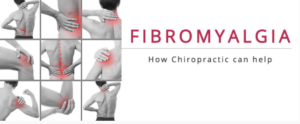
Fibromyalgia

FibromyalgiaWhy Do Fibromyalgia Patients Feel So Awful and Have So Many Symptoms?

This question is a little more complicated but the answer makes sense when you put all the information together. Before this question is answered a part of the nervous system needs to be identified/defined.

One component of our nervous system is called the “Autonomic Nervous System”. This nervous system is divided into two divisions:

  1. Sympathetic division (fight or flight)-when our environment threatens us our body has to respond and this aspect of the nervous system kicks in. For example, if you are being chased by a tiger your adrenalin will be activated and blood flow to all parts of your body will increase. Most likely you will not fall asleep or feel relaxed while being chased by a tiger.
  2. Parasympathetic Division (rest and digest)-when our environment is relaxing our body will respond accordingly and this aspect of the nervous system will kick in. For example, if you had a large dinner and you sit down next to a warm fire most likely your body will rest/relax and digest.

There is so much more to Fibromyalgia than most medical doctors would have you believe and there is help and hope.

Visit the site of Dr. Jason Kaster, D.C. Chiropractor and Nutritionist in Fort Myers, Florida to read the real scoop and what you can do to help heal your body.  http://drkasters.com/conditions/fibromyalgia/

Vein Disease – What Can I Do To Help Prevent It?

varicose veins west florida vein

varicose veins west florida veinThough you can’t fight genetics the way you live has a major impact on your circulatory systems health and the resulting possibility of vein issues.

Keep Your Weight In Check

Obesity can put you at risk for a heart disease, cancer, and vein issues.

Many studies have shown a direct correlation between obesity and the risk for vein disease.

Carrying too much extra fat adds extra unnecessary pressure on your entire circulatory system. This is especially problematic in the pelvic region, where the veins from our legs re-enter the main body cavity. When inner hip veins are compressed it increases pressure on the valves within the upper veins of the leg, leading to the failure of those valves which results in circulatory issues in our legs aka varicose and spider veins.

Elevation is Key

Putting your legs up allows gravity to assist blood flow back to your heart. Directions: 15 minutes two to three times a day. Making sure your legs are above your heart.

Clothing

Avoid constrictive clothing, especially shoes with high heels as these could lead to vein disorders.  Do not wear spanks, girdles, garters or socks that have tight elastic bands. Now, this does not mean compression hosiery. Compression socks are specifically designed to help the veins rather than hinder. Modern compression hosiery is now made out of materials and in styles that makes it fashionable and attractive for anyone to wear. Quality compression hosiery provides pressure to protect the veins in our legs and help feel better and less tired at the end of a day.

Exercise

Staying active is the best thing you can do to prevent or minimize vein problems. Muscle builds and supports the circulatory system. The act of walking naturally expands and contracts the leg muscles pumping the blood throughout our bodies. Walk more, sit less.

Smoking

Simply said? Don’t smoke.  Smoking narrows the blood vessels. It is detrimental to your health and can spur on the onset of vein issues.

Hydration
Stay hydrated. Drink 1 gallon of water daily to keep your blood clean and flowing as it should. 

If you start to see any hint of spider or varicose veins you will want to pay attention to the advice above. If you see it start to advance come into West Florida Vein Center in Safety Harbor, Florida serving the Tampa Bay region and have Dr. Mark Zuzga evaluate your condition so that you get the best possible results. www.westfloridaveincenter.com or call (727) 712-3233.

How Salt Can Affect the Heart

sodium

Do you salt your food on a daily basis?

sodium

Many people salt their food before even tasting it. It’s a habit and a dangerous one at that.

While sodium is naturally occurring and we need in our bodies, when consumed to excess, it can be harmful. The majority of the salt consumed does not come directly from your at home shaker it is already hidden within the food we buy on a regular basis.

It is astounding how quickly the milligrams of salt add up when tracked on a normal day for the average American. The results are evident. Heart disease is one of the top causes of death in 2018.

How Salt Can Harm Your Health

Salt causes your body to hold on to fluid. This retention increases the blood volume flowing through your system making your entire cardiovascular system work harder than it should. Over time this increase can be dangerous leading to hypertension. It can cause pressure to build against your arterial walls leading to a weakening of the walls. From there it can progress to blood clot formation, organ and tissue damage, and plaque builds up. Blood pressure is known often as the silent killer because there are many times no visible signs until cardiovascular disease actually takes hold.

You Do Have A Choice!

As much as 80% of the salt American’s eat is found in prepackaged, processed, and restaurant-prepared foods. Choosing to eat at home helps tremendously.

Those with conditions such as diabetes, kidney disease and those over 50 who need to take extra notice of this intake. You can join tracking sites such as www.myfitnesspal.com which is not just for weight loss, you can track your caloric intake as well as your sodium, proteins, carbs and much more at the touch of a button. Once you know where you stand it is easier to get a good picture and how you can reduce your salt intake. The CDC recommends in the 2015–2020 Dietary Guidelines that Americans consume less than 2,300 milligrams (mg) of sodium per day as part of a healthy eating pattern.

If you are at risk of heart disease and in need of a cardiologist, call Tampa Cardiovascular Associates for a consultation. Call us today at 1-813-975-2800 or fill out a form online. We look forward to hearing from you! www.tampacardio.com.

Do you have Organophosphate Poisoning? (RoundUp) Blame Monsanto!

roundup

roundupRoundUp is one of the number one selling weed killers in the USA today both commercially and for residential use.

The main ingredient in RoundUp – Glyphosate – is designed to be toxic to plants. The issue is that it has been found not only to kill plants but also to be toxic as well as carcinogenic to humans and animals as well.

Glyphosate has been banned in the EU yet it is still sprayed freely here in the USA.  Deborah Kurrasch of the University of Calgary in Canada’s research department says that “Researchers are not only concerned about the immediate consequences of improper use of the chemicals by applicators, but also about potential effects caused by chronic exposure to applicators or animals—via the skin or through inhalation, for instance—as well as what happens when they accumulate in the environment.” The physical effects are felt gradually over time.

Right here in Florida, we are experiencing a build-up of toxic chemicals. You may have heard about Red Tide and Blue Green Algae here in South Florida along both the west and east coasts, but what isn’t often said is that the discharged water being released from Lake Okeechobee contains high concentrations of the chemicals, including glyphosate, found in RoundUp because of the existence of US Sugar Corporation located in Clewiston, Fl.

The Problem

US Sugar uses RoundUp as a pesticide/herbicide on crops to deter bugs and also to help prematurely ripen the crops so they can maximize the potential for income from every crop. Just as the sugar cane is forcefully ripened so are the red tide blooms as well as the algae blooms. This is a good chunk of the reason why the bloom has now lasted a full year. This isn’t influenced by nature and it isn’t normal. Our oceans, wildlife, and residents are paying the price.

While it may be obvious when red tide warnings are posted, not to go in the water, the problem isn’t just at the beaches or around the water. These particles (Red Tide (Brevetoxin), Blue Green Algae (Cyanotoxins), and RoundUp (Organophosphates), are all aerosolized and carried by wind currents, it has been said, up to 10 miles in though it may very well be more.

This means – if you live anywhere near a coast in South Florida, you are breathing these particles in. People who have no contact with RoundUp or any other pesticide or herbicide, have been falling ill with non-specific sources. Doctors have often been at a loss for a diagnosis. 

The test for it is called the Cholinesterase RBC and Plasma blood test for pesticide toxicity (organophosphates). It is important to note that those reading the results on this test know that according to the CDC the lab values marked as acceptable (green) are incorrect. Toxicity can present at just 40% of the top acceptable level.

It is HIGHLY advisable to do a neurotoxin cleanse if you do have elevated levels in your blood.

Symptoms of RoundUp Toxicity:

  • Anxiety
  • Headache pain
  • Exhaustion
  • Lethargy
  • Fever
  • Itching eyes
  • Tinnitus (ringing ears)
  • Itchy face
  • A runny Nose
  • Watering eye (usually only one side)
  • Frequent feelings of a head cold or flu
  • Blurry Vision
  • Excess saliva
  • Sensitivity to light
  • Glassy eyes
  • Memory problems
  • Muscle twitches similar to restless leg syndrome
  • Palpitations
  • Brain fog
  • Digestion problems
  • Confusion
  • Agitation
  • Depression

 For a more natural alternative to using RoundUp on your property, please visit Mom’s Across America’s page https://www.momsacrossamerica.com/10_alternatives_to_roundup

If you feel like you may be living with the effects of RoundUp, contact the office of Dr. Jason Kaster, D.C. today and get tested as well as treated, naturally. 239-332-2555 www.drkasters.com 

How Chiropractic Can Help Ankle Pain

ankle pain

ankle painChiropractic can help reduce ankle pain without prescribing medication which may come with unwanted side effects.

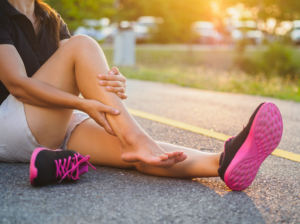
Daily life is made far more difficult when you suffer from ankle pain.

Ankle issues can easily limit mobility. Lack of mobility puts a damper on lifestyle as well.  No more cute high heels or dress shoes to go out in – you are stuck in flats if walking is an option at all.

Our ankles take on a lot of pressure every single day. They support the weight of our entire body. On top of that, you may add pressure from climbing stairs, walking, running, jumping, and carrying heavy objects. It is vital that your body be in proper alignment with your ankles correctly supported.

In the United States each year more than 25,000 people per year visit a doctor specifically for ankle related pain. Studies have shown that despite this, close to 40% of sprains are not diagnosed or treated correctly. This misdiagnosis can lead to improper treatment or no treatment at all, leaving the patient in chronic pain and even risking disability later on in life.

The standard treatment for a sprained ankle is Rest Ice Compression Elevation (R.I.C.E.) The newer more widely accepted version of the protocol replaces “Rest” With “Movement”, making the acronym now M.I.C.E. The movement portion of the protocol should be done with a qualified physical therapist.

Chiropractic has shown tremendous benefit in relieving ankle pain. Your Chiropractor will use the same methods for diagnosis as would your medical doctor. Once the exact cause is pinpointed a treatment can be recommended and started.

Severe ankle injuries such as breaks and tears may require pain medication and anti-inflammatories. X-ray and MRI imaging may be used in the diagnosis.

Chiropractic is highly effective and completely non-invasive. It allows a natural approach to healing allowing the body to mend itself over time. Regular adjustments can help to strengthen the ankle increasing stability and even range of motion. It helps facilitate blood flow and circulation speeding healing and recovery. Diet and exercise change recommendations may be made if additional weight is being put on your ankles as well.

As normal motion is restored to the joint the inflammation will subside. As the inflammation dissipates so will the associated pain.

While chiropractic isn’t an instant fix, over the course of a few appointments you should notice a significant improvement in the state of your ankle as well as your overall wellbeing.

If you would like to find relief from pain call us today. 239-332-2555. Now serving Fort Myers, Florida, and all surrounding areas.

Chiropractor & Nutritionist in Fort Myers, FL.

Fort Myers Chiropractor, Dr. Jason B. KasterChiropractic care is a safe, alternative treatment when applied appropriately. Chiropractic treatments help in dealing with the symptoms of many conditions. Are you going to wait for your symptoms to be felt, or are you going to prevent them before they start?

Dr. Jason B. Kaster, a chiropractor, and nutritionist in Fort Myers can help you and your family achieve their optimal health.
Could Doing Yoga Benefit Your Vein Health?

yoga

yogaPeople seem to be turning to yoga classes to help with everything from stress to high blood pressure to even now varicose veins, but does it really work?

Yoga is a wonderful nonimpact exercise modality that virtually anyone can do at the beginner level. Even the more advanced poses have modifications for those just starting out. 

Can Yoga Benefit those with Varicose Veins?

Many with varicose veins do find a great deal of relief through some specific yoga poses. Doing yoga won’t heal your varicose veins nor can it prevent them but what it can do which is incredibly helpful is to alleviate the swelling and pain associated with vein conditions. 

Which Poses Have Been Shown To Help Vein Pain?

Mountain Pose

This pose is designed to help you relieve pressure in your legs, knees, and thighs. It is a standing position. Stand straight, arms at your sides, toes together. Neutral pelvis. Elongated chest and broaden collarbone area. Center your head and stand tall but soft.

Legs Up the Wall

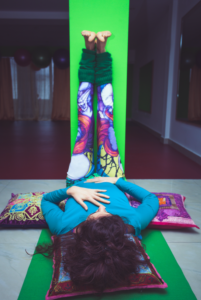
This pose stimulates the lymphatic system and helps downgrade swelling. The legs up the wall pose positions you lying with your back flat on the floor walking your feet upwards straight in front of you until they’re at a 90-degree angle and flat on the wall. This position promotes healthy circulation.

Boat Pose

The boat yoga pose involves sitting on the floor with outstretched legs, focusing on the core area of the body. When you have a strong stable core it greatly lessens the pressure on your legs which in turn alleviates swelling and pain.

If you live with vein disease, doing yoga as a regular part of your exercise routine is a great addition to your exercise routine.  Should you find it isn’t enough and you would like to get your veins treated and dealt with on a more permanent basis medically we would be happy to help. Give Dr. Zuzga of The West Florida Vein Center a call today at (727) 712-3233 or visit online www.westfloridaveincenter.com to learn more. We have three convenient locations in the Tampa Bay Area.

Life with a Pacemaker

pacemaker

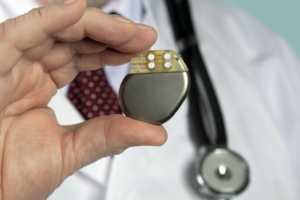
pacemakerA pacemaker can save your life, but it is also sure to alter it as well.
Pacemakers have been designed to help your heart beat and control the rhythm, doing so in a way that is almost unnoticeable by the patient, it is important to remember that a pacemaker is still just an electronic device.

Pacemakers were designed to withstand the wear and tear that results from most normal activities.

This means that if you loved to exercise frequently or play sports before your pacemaker was inserted, you will most likely be able to continue normally, pending any specific recommendations from your physician. While strenuous activities are okay, including most contact sports, if you’re an avid hunter and use a rifle for hunting purposes you will need to rest the rifle on the shoulder that doesn’t have the device in order to avoid the full recoil of the rifle hitting the device. Also, any activity that involves significant repetitive shaking (e.g. using a jackhammer) you will need to avoid as well.

Be aware that having a pacemaker will require you to check in with your physician frequently, usually up to several times per year. Like any electronic device, pacemakers are subject to damage and susceptible to failure over time, so your physician will likely want to examine you about every 3 months to check for any issues. Your physician will also want to examine your heart and the further progression of your heart disease, in order to determine whether the pacemaker is still an effective and appropriate option for you. Because of the advancements in medical technology in recent years, depending on the type of pacemaker you have and if no in-person examination is required, your physician may be able to simply tap into your pacemaker’s functions remotely and check in on you periodically that way.

You’ll need to avoid exposure to any electronics that have strong magnetic fields, such as MRI machines. However, going through metal detectors at the airport or standing by electrical generators will not have any effect on the device. Also, small devices such as MP3 players and cell phones can be safely placed in your front shirt pocket directly over your heart without any concerns for disrupting the function of the device.

No pacemaker will last a lifetime. Depending on the activity level of the patient, as well as a variety of other external and internal factors, the average pacemaker will last 6 or 7 years, though they can last as few as 5 years and as many as 15 years.

How long a pacemaker lasts is generally dependent on the following factors:

  • The severity of the heart disease and the speed of its progression.
  • The overall age of the battery, as all pacemakers will grow weaker over time.
  • Whether the device has experienced any damage.
  • How much exposure the device has received to potentially disruptive electrical signals.

Part of the reason why it is so important to check in with your physician frequently is so that they can take note of exactly when your pacemaker’s battery begins to weaken or fail and replace it before any problems occur. Fortunately, the surgery involved in replacing a pacemaker generator or battery is much less involved than the original surgery to insert it, and patients typically recover, resume normal activities and are discharged from the hospital the same day.

Please check with your personal physician when determining the best lifestyle choices for you. If you are in the Tampa area and have any questions or concerns regarding pacemakers and ongoing care, schedule an appointment with the physicians at Tampa Cardiovascular Associates today by calling (813) 975-2800.

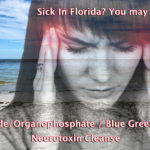
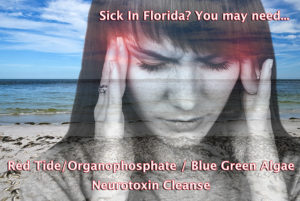
Do You Live in Florida and are Mysteriously Sick?

Florida red tide organophosphate Roundup

Florida red tide organophosphate Roundup You May Have “Red Tide Sickness”

This isn’t the same old naturally occurring Red Tide.

This devastatingly oversized unrelenting bloom has co-mingled with blue-green algae and stayed around for close to a year now. The release from Lake Okeechobee has been feeding it and growing it spurred on by our lack of drop in temperature this fall. The Red Tide bloom has grown to nearly the size of the state of Connecticut.

What you need to know:


The toxins released have killed our wildlife and hurt many local businesses.
 It is affecting not only water quality but because it can become aerosolized and carried in the wind, has also altered our air quality. The toxins released from the Red Tide (Brevetoxin) and Blue Green Algae (Cyanotoxin and Myostine) have mixed with the organophosphates released from agricultural companies such as US Sugar (Glyphosate (Monsanto’s RoundUp) and other pesticides and herbicides as well).

These airborne particles are making humans as well as pets sick. Many people are visiting frustrated doctor after frustrated doctor who have so far been unable to diagnose the bizarre range of symptoms leaving their patients lacking hope and feeling terrible.

Symptoms you may be experiencing:

Headache pain, Lethargy, Exhaustion, Frequent feelings of a head cold or flu, Itching eyes, Itchy face, Fever, Runny Nose, Watering eye (usually only one side), Glassy eyes, Blurry Vision, Tinnitus (ringing ears), Sensitivity to light, Memory problems, Muscle twitches similar to restless leg syndrome, Excess saliva, Brain fog, Agitation, Digestion problems, Heart Palpitations, Anxiety, Confusion, and even Depression. 

According to WINK NEWS (see video below start playing at 28 seconds), FAU researchers state that 100% of people tested so far have come back positive for Cyanotoxin (blue-green algae microcystin exposure) which lowers your immune system. 

Many are choosing to take the Cholinesterase RBC and Plasma blood test for pesticide toxicity (organophosphates) as well and are also coming up positive. It is vital to note that those reading the results on this test know that according to the CDC the lab values marked as acceptable are incorrect. Toxicity can present at just 40% of the top acceptable level.

So far, though there are a urine and blood test in a lab study setting for animals, we have found no local labs offering a Brevetoxin (red tide) blood test for humans.

Listen to what Reporter Chris Grisby had to say about the situation right here in SW FL.
He was let go from Wink News shortly after this shockingly honest report.

https://www.facebook.com/NotForFlorida/videos/1809460082504522/

If you are unexplainably ill in Southwest Florida we strongly urge you to give us a call and find out how you can do a neurotoxin cleanse to help heal your body from this exposure. Give the office of Dr. Jason Kaster, D.C. a call today at 239-332-2555 or visit www.drkasters.com. info@drkasters.com to send an email.

Could Athletes Benefit from Wearing Compression Stockings?

compression-stockings

compression-stockingsMost of us would never have thought to group the words “Athlete” and “Compression stockings” into one sentence let alone suggest that they might be a good idea to wear during athletic activities. After all, aren’t compression stockings just for little old ladies?
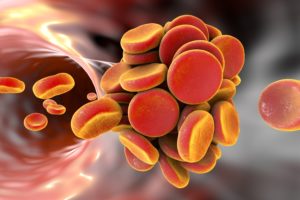
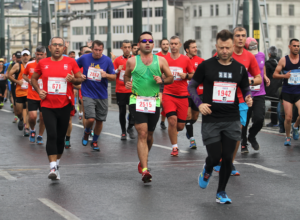
As it turns out, not even close. Over the course of the last few years, top medical investigators have joined with world class athletes in the distance biking, triathlon, and marathon fields.

One of the toughest problems they all has to overcome was cramping. It is sometimes referred to as “hitting the wall” which is caused by lactic acid build up. This build-up takes place when the aerobic threshold reached and pushed past.

The findings prove that wearing graduated compression stockings can help. These graduated stockings have the highest compression starting at the ankles and get less tightly compressed as you move up past the knee.

How They Help

Wearing these stockings helps to prevent the pooling of blood in the muscles and affects the arterial flow to the muscles. The muscle in the arterial wall relaxes and this increases in the dimeter of the veins help with performance via higher cellular oxygen as well as faster recovery times.

Marathon Runners – A Study

A conjoined study including 19 marathon runners used running socks for three months during training as well as competition came to the following conclusions:

  1. Sixty percent of runners who suffered from muscle and tendon aches in the lower leg or experience pain in the ankle joint reported feeling relief from these aches as a result of wearing compression sport socks.

2. Forty seven percent of the group experienced an easier run over all and fifty three percent said the calf muscles were more relaxed.

The Real Question: Are They Comfortable?

The group report no significant issues as far as comfortability of stockings even out in the heat. Especially as they can be sprayed down with water during a run on a particularly hot day.

Are you an athlete? If so we are glad you stumbled on to this article. Help protect the health of your veins and circulatory system by considering proactively wearing compression stockings during workouts and competitions.

If you are in the Tampa Bay Florida area and need a Vein Specialist look no further. West Florida Vein Center has you covered. Give us a call to schedule today. 727-712-3233 or visit us online at www.westfloridaveincenter.com.

How to Recognize the Warning Signs of a Blood Clot

blood clot

blood clotYour heart pumps the blood through your arteries and then returns it to the heart where the process starts again. Blood is constantly flowing throughout the body. When motion and current cease blood can become stagnant, resulting in the possibility of blood clots.

When the body is injured in a way that cuts or punctures, in order to stop the bleeding a blood clot can sometimes form. Usually with no ill effects. There are times, however, when they form in locations they’re not needed in. Because of this early detection is important though recognition of symptoms and signs.

Learn the warning signs

Swelling

Developing a DVT (Deep Vein Thrombosis) also known as a blood clot in your arm or leg you could experience swelling. Risk factors for DVT include recent surgery, being stationary all of the time, or sitting on a plane at high elevation without movement for a long period of time.

Heart Palpitations

If you develop a clot in your lungs (a pulmonary embolism) it slows down your O2 rate. This causes your heart rate to speed up to make up the difference in the amount of O2 received.

Pain

Your entire body runs because of blood circulation. It requires it in order to move. A blood flow blocking clot can cause inflammation which leads to severe pain in the limb.

Color Changes

If you notice that an area in your body turns red or blueish, has a red streak, or becomes overly itchy, you may have a blood clot.

Breathing Problems

This can also be a sign of a lung based blood clot. You may have a deep cough or even cough up blood. Pain in the chest and dizziness Dizziness are also signs. Seek treatment immediately.

Elevated Blood Pressure

A kidney based clot can keep the kidneys from functioning properly and negatively influence the ability to process waste, removing it from your body. If left untreated it can cause kidney failure or higher than normal blood pressure.You may also notice you have a hard time breathing, leg swelling, blood in your urine or a fever.

Nausea or Vomiting

If a clot occurs in the veins that blocks the blood from your intestines, it can result in nausea, vomiting, blood in the stool, diarrhea, and stomach pain.

Never take a potential blood clot lightly.  If you believe you may have a clot please call your doctor immediately or head to the nearest ER.

Problems Seeing and Speaking

A brain based blood clot can cause feelings of weakness, vision issues, speech problems, and even lead to a stroke.

If you are in the Tampa, Florida area and looking for a great Vein Specialist or Cardiologist please consider Tampa Cardiovascular Associates. Give us a call at (813) 975-2800 or visit online at www.tampacardio.com.