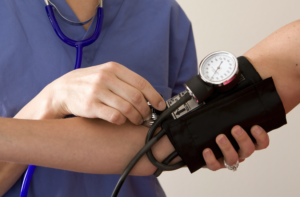
 Many of us, during a routine doctor’s appointment, may have been told: “Your blood pressure is a little high”. Monitoring is usually suggested. If it continues to remain high in readings often blood pressure medication is recommended.
What Is Hypertension (High Blood Pressure)?
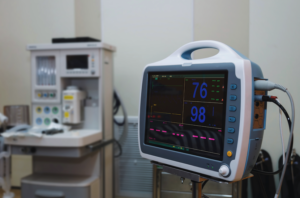
Hypertension is also sometimes called high blood pressure. This level of measurement is defined as being above 140/98 mm Hg for at least two or more readings over a period of weeks or months. The more difficult it is for blood to flow through your arteries, the more of an increase in your blood pressure. Higher pressure forces your heart must work harder to pump blood throughout your body.
Blood pressure itself: Your heart beating forces your blood through the arteries in your entire body creating pressure. This pressure is what keeps your blood flowing. Every time your heart beats, it surges blood into your arteries and the pressure increases. Opposing that, when your heart is relaxed or in between beats, the pressure decreases in the arteries. This is why there are two numbers in a blood pressure reading. The top number is systolic and the bottom number is diastolic.
Systolic and Diastolic:
The top number (systolic pressure) is the maximum amount of pressure inside your arteries when the heart is beating. The bottom number (diastolic pressure) is the amount of pressure inside your arteries when your heart is in between beats. The two numbers together are written in fractional form; such as 120/80 mm Hg.
Why Would You Have High Blood Pressure?
Doctors and scientists are still trying to understand why high blood pressure occurs, but they have found factors that contribute to high blood pressure. Some of these factors include obesity, level of physical activity, diabetes mellitus, heredity, age, and high intake of sodium, alcohol consumption, and smoking.
Almost all cases of high blood pressure cases have no markable cause. This form of blood pressure is called primary or central high blood pressure. Secondary hypertension is associated with renal diseases, alcohol use, and the use of oral contraceptives.
Is there a way to conservatively treat hypertension before turning to blood pressure medications?
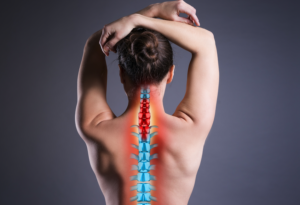
Chiropractic treatment has been shown to reduce blood pressure, however, more research is needed to determine exactly how manipulation is helpful. Chiropractic treatments should always be done in conjunction with your medical doctor’s recommendations.
The idea is to create a diet you can live with that will offer proper cardiovascular support. If you are interested in working with Dr. Kaster to help control your blood pressure without potentially dangerous medications give us a call today and schedule your appointment.
Chiropractor | Nutritionist in Ft Myers, FL.
 Chiropractic care is a safe, alternative treatment when applied appropriately. Chiropractic treatments help in dealing with the symptoms of many conditions.
Are you going to wait for your symptoms to be felt, or are you going to prevent it as soon as possible?
Dr. Jason B. Kaster, a chiropractor, and nutritionist in Fort Myers can help you and your family achieve their optimal health.

 The sooner you start chiropractic adjustments the better off your child will be for life.
 Car accidents are one of the most traumatic experiences you can have in life. That horrible feeling that time is slowed, the brace for impact, and finally that jarring body jolting slam as the collision happens… there is a moment of pause where everything just stands still… and then reality sets back in and you have to gather your thoughts and refocus… “Am I hurt?”
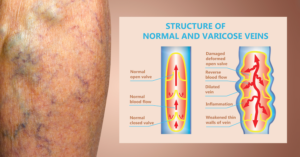 Our circulatory system is an amazing mechanism. Veins run throughout our entire body. They feed blood to every organ and cellular tissue. When veins sustain damage from trauma or vein disease – venous insufficiency they begin stages of venous insufficiency.
 That’s right. The health of your veins can be majorly impacted by what you choose to put in your body. Alcohol being one of the very worst offenders when it comes to damaging vein and circulatory health.
 We were all brought up with the four food groups. Meat & Dairy, Grains, Vegetables & Fruits, and “other”. It didn’t include or take into account all of this frozen, premade, and fast food we are bombarded with. While technically they still fall into those groups, these foods are chemically altered, GMO, and preservatived to death. There is little to no nutritional value in a lot of it.
 Things are hot this summer here in Florida and our clothing choices show it. Tank tops, skirts, bathing suits, shorts, we will adorn nearly anything to keep cool. That poses a problem when you are living with venous insufficiency or vein disease.
 No one enjoys tossing, turning, getting up to take anti-inflammatories, hot baths, ice packs, or whatever may possibly sooth you enough to get to sleep. It makes for a long rough night.
 If your doctor has ever told you “You need an EKG”. You may know the feeling of confusion and worry both in an instant. We do not know how much medical knowledge each of our patients actually have come into our office. We don’t want to insult you by seemingly talking down to you, so sometimes we don’t explain as much as maybe we should.
 When you are living with pain on a daily basis, it can wear you down and cause a loss of exuberance for life. It is very easy to slip into the trap of negative self-deprecating and self-punishing thinking and eventually depression. The problem with that is that you get caught in a downward spiral and it can make the physical pain worse.