
Do you have overactive bladder?

active bladder

active bladderThere is nothing quite as alarming as suddenly feeling that urge to run to the rest room at the most inopportune time. Especially if you are nowhere near a bathroom.

While experiencing the urge to urinate more often is normal and even expected if you’ve been drinking large quantities of liquid, especially carbonated drinks containing artificial sweeteners, coffee/tea with caffeine, or alcohol. Even some foods — like tomatoes, citrus fruits, and cranberries — might even make you take more trips to the bathroom.

When do you actually classify as having an overactive bladder?

If you feel the need to urinate more than 8 times in any 24 hour period, your bladder may be considered overactive. Taking constant trips to the bathroom throughout the day, regardless of fluid intake, may be a sign of OAB. Some might experience a full bladder feeling, yet only a small amount of urine is passed; others may even experience incontinence or leakage.

33 million Americans have overactive bladders. As many as 30% of men — and 40% of women – in the U.S. live with OAB symptoms. This is according to the newest data from the American Urological Association.

OAB can be embarrassing and anxiety provoking. It may also affect your sleep if you’re waking up two or more times each night to urinate; sleep disruptions over time can be harmful to your health and overall well-being.

If you’re experiencing symptoms, it’s important to consult a urologist. Exploring treatment options with a knowledgeable doctor can provide a boost in your quality of life.  Involuntary contractions of the bladder may be the result of an underlying health condition, such as diabetes, an enlarged prostate, or bladder stones.

Tracking food and drink intake can help you to get a handle on what provokes a urinary response and from there you can adjust accordingly.

It’s worth noting that so-called “stress urinary incontinence” is different than OAB, and typically involves the expulsion of small amounts of urine while sneezing, laughing, or doing physically demanding activities. 

Dr. Harry Tsai of Fort Meyers Urology, with offices in Fort Meyers and Cape Coral, is a member of the Independent Physicians Association of Lee County — a network of independent physicians committed to maintaining high-quality medical care in southwest Florida. For help selecting an independent physician or for more information on IPALC, call 239-314-0791 or visit the organization’s website.

NSAIDs – Not All They Are Cracked Up to Be

NSAIDs

When you are in pain what do you reach for? Digging into the medicine cabinet most of us go for the major store brands of OTC medicines.  Tylenol, Aleve, and Ibuprofen are all in the NSAID family.

While they do help short term to alleviate pain and swelling, they also have the non-wanted side effect of slowing down the healing process and may have side effects, especially when used repeatedly or chronically over time. These side effects can range from mild to severe and can include stomach irritation, bleeding ulcers, and even death!

Though they do help to alleviate both pain and swelling, they also have the side effect of slowing down the healing process and may have additional side effects, especially used over time. Side effects can range from mild to serious and can include stomach irritation, bleeding ulcers, and even coma or death!

Natural remedies to try

Black Pepper (which works wonders in conjunction with Turmeric) – Black pepper is a wonderful anti-inflammatory as well as holding the properties of being an antioxidant and antibacterial.

Turmeric – Studies have shown that turmeric contains compounds that can reduce inflammation and has been used to treat infections, cold and even wounds.

It comes in swallowable capsules as well as in spice form to sprinkle on and add to your food.

Both delivery methods work well.

Cloves – Though research is still giving mixed reviews, cloves have been touted as an anti-inflammatory especially useful for dental and mouth issues. Make sure if you are using clove oil to mix it with a carrier oil such as olive or coconut before applying to the inside of your mouth on gum areas. It can be very hot on its own.

Cinnamon – Cinnamon can help to ease swelling and inflammation. Sprinkle on coffee, tea, cereal, oatmeal or take by capsule.

Garlic – Ah, good old garlic. Fresh is always best. As well as anti-inflammatory it is a very powerful natural antibiotic!

Plant Enzymes – when taken on an empty stomach also work phenomenally well as anti-inflammatories and help with pain and swelling.

Cayenne pepper – They contain capsaicinoids giving them anti-inflammatory super powers. They have been used to boost health since ancient times!

Along with adding these spices to your vitamin protocol changing up your diet to include some amazingly powerful anti-inflammatory foods can help drastically as well. Adding these into your normal eating routine can help boost your health and well being.

Top anti-inflammatory foods recommended are:

  • Celery
  • Leafy green vegetables
  • Beets
  • Berries
  • Coconut Oil
  • Chia Seeds
  • Broccoli
  • Salmon
  • Pineapple
  • Bone broth
  • Flax Seeds
  • Walnuts

Are there foods that are inflammatory?

ABSOLUTELY

If you are already having inflammation and pain issues you would do best to stay away from eating refined sugars, refined grains, processed foods and artificial sweeteners.

 What you eat greatly affects how your body functions and how you feel. If you are not feeling your best Nutrition Specialists of Florida can help you by giving you personalized guidance on what to eat, what to avoid, supplementation and detoxification to give you the very best possible quality of life outcome.

Give us a call ay 239-947-1177 or visit us online by going to www.chiropractorbonitasprings.com.

Restless Legs at Night – Here is the Cause

RLS

RLSWhen you try and lay down at night to fall asleep do your legs start moving and twitching involuntarily? This is what is known as Restless Leg Syndrome. It can range from uncomfortable to incredibly annoying, even painful and lead to insomnia, which in turn can bring about other lack of sleep related health problems.


 

Restless leg syndrome is a chronic disorder that affects up to 10 percent of Americans and twice as many women as men, according to the Cleveland Clinic. The movements make it difficult to sleep or sit comfortably for long periods of time and can lead to insomnia or trouble staying awake during the daytime.

While restless leg syndrome can have several underlying genetic and health causes, those suffering from venous insufficiency may have symptoms consistent with RLS. Venous insufficiency is typically the result of blood clots and varicose veins and occurs when there is inadequate blood flow through the veins, which causes blood to pool.

The most common treatment for sufferers of venous insufficiency is a compression stocking or an elastic stocking that creates pressure around a target area on the leg. Compression stockings can improve blood flow and reduce swelling. Additional relief may be achieved by keeping your legs elevated, keeping your legs uncrossed when sitting, avoiding dietary triggers and, of course, regular exercise.

Some physicians may prescribe medications, such as an anticoagulant to thin the blood or a diuretic to draw fluid from the body.

More serious cases of venous insufficiency may require surgery to repair or remove veins. Those procedures could involve minimally invasive endoscopic surgery to tie off varicose veins, laser surgery to close a damaged vein or sclerotherapy — the injection of a chemical into a vein to shrink and permanently close it.

For those with a family history of venous insufficiency, medical experts recommend staying active, not smoking or quitting smoking and maintaining a healthy body weight. Talk to your healthcare provider about what type of treatment is best for you.

For a vein specialist referral, or for more information on vein disorders and treatments, visit http://www.westfloridaveincenter.com/contact/

Jaw Pain – Is it TMJ?

TMJ

TMJTMJ can be caused by your genetics, trauma to the jaw or even arthritis. Nocturnal tooth grinding and clenching can also play a role, though tooth grinders don’t always develop TMJ.
TMJ (Temporomandibular Joint Disorder) is an incredibly painful condition that is situated within the muscles of the jaw and cheekbone. The temporomandibular joint acts like a sliding hinge which is the connection from your skull to the jawbone.

Whiplash from auto accidents can be an initial cause of an onset of TMJ. When ligaments tear or stretch it can pull the jaw out of position. Other injuries involving the facial area can have the same results.

Common complaints include pain, stiffness, clicking sounds that are audible to others and even having your jaw lock up from time to time. It may even extend to a dull ache around the ear and back of the head. Chewing may cause pain as well. These are all a result of the jaw itself becoming misaligned. Over time if not corrected adhesions can form in the muscle keeping the jaw out of place.

If not treated properly, over time degeneration of the disc between the jaw and the skull can occur, wearing away which leaves only bone on bone to rub together wreaking havoc on the nerves located in that area.

Visiting your Chiropractor for jaw pain can be a tremendous help. They take an overall approach to well-being and help to determine the cause and the resulting best course of action.

Manual adjustments may be used as a treatment for the jaw disorder. Your doctor may press on areas of your skull, jaw and upper spine in order to help relieve irritated inflamed nerves increasing your jaw’s range. The active release technique which is a soft tissue based therapy is likely to be used. This manipulation can help your body break up the adhesions as well as scar tissue on the muscles and ligaments. When combined with regularly scheduled chiropractic treatment it has proven to be a very effective method to obtain healing and pain relief.

Leading experts at The National Institutes of Health recommend these treatments as the best course of action. Noninvasive treatments should always be tried first, rather than automatically leaning towards aggressive treatments such as surgery and implants, which penetrate the tissues of the face, jaw or joint.

If you have facial pain, jaw pain or grind your teeth in your sleep come in and talk to us at Nutrition Specialists of Florida ChiropractorBonitaSprings.com or give us a call at 239-947-1177.

Vitamins, Supplements that are Good for Your Heart

vitamins

A healthy diet could aide in saving your life. By eating balanced, nutritious meals, you are fueling the body with what it needs to keep your cholesterol and sugar levels in check, while fighting off harmful diseases. Instead of thinking about what to take out of your diet, focus your attention on what foods you should be adding in to your daily eating habits. Lean meats, fruits, vegetables, “good” fats, and whole grains are essential to your health, especially heart health.

However, no one has the perfect diet. Life gets in the way sometimes, and you could have a few days in the week in which you didn’t get in enough vitamins. Whether you were too busy or just not in the mood for a salad, your diet can sometimes fall short. That’s OK. If your consistently eating healthy over time, your body will reap the benefits. Since we cannot have the perfect diet, it can be good for you to supplement your diet with vitamins, but talk to your doctor about what you should or can take daily, especially if you think you may have a vitamin deficiency.

For this article, I wanted to share with you some vitamins and supplements that you can take to help with your cardiovascular health. Whether you currently have a heart condition or not, it’s always a good idea to try and keep your heart at its healthiest, since heart disease is the #1 killer in America. The following list are supplements and vitamins that can help keep heart conditions at bay, or keep your heart from further deterioration.

Magnesium – Magnesium helps sodium move throughout the cells in the body, supports relaxation and dilation of vascular arterial walls and stabilizes heart rhythm.

Omega-3 – Omega-3 helps the body balance cholesterol and triglycerides, which is great for people who are at risk for heart disease. Omega-3 is also known to lower blood pressure and slows down the buildup of plaque in the arteries.

Coenzyme Q10 (CoQ10) – Coenzyme Q10 is an antioxidant that fights off free radicals, and manages blood pressure and cholesterol. It also helps with keep the arteries healthy and muscle cells optimally utilizing energy.

L-carnitine – L-carnitine helps transport fat into the mitochondria to be used and burned as fuel by cells.

Arginine – Arginine is an amino acid that helps improve vascular function.

Phospholipids– are necessary to “prime” the HDL particle thus allowing it to sop up cholesterol.

If you’re looking for help with your diet or have concerns about your heart health, Dr. Kordonowy of Internal Medicine, Lipid & Wellness of Fort Myers offers comprehensive dietary consults to his patients. Dr. Kordonowy also offers vitamins and supplements for you to purchase online here.   Dr. Kordonowy offers direct patient care membership and concierge services including the unique Inpatient Advocate Service™. To schedule an appointment with Dr. Kordonowy, call 239-362-3005, ext. 200 or click here.

Will The Side Effects of Medication Simply Go Away?

Side effects

Side effectsOddly, the answer may be “yes”.

The lists of possible side effects can be over whelming. While it is only a small percentage of people who will experience side effects – but what if you happen to be in that small percent?

You have spent the money and taken the time to go see a doctor in hopes of feeling better. They have assessed your situation and made recommendations based on your personalized health profile.

After filling your prescriptions you head home and hope for the best popping the medication into your mouth with some water. Now, you wait. While it’s good to be informed, reading the enclosed pamphlet or print out from your pharmacy can be unnerving. The list of possible side effects is generally not a small list. You push it from your mind and move on with your day.

What if you begin to notice that you just aren’t feeling “quite right”? Is it a side effect of the new medication or just an off day? It isn’t easy to know. Should you call your doctor? Wait it out? Keep taking the prescription? Stop all together?

Doing a little research on your particular medication may help put your mind at ease and allow you to make a sensible decision.

What you generally aren’t being told:

If you really don’t know what to expect as far as an experience with a specific drug, you might give up on it right before it begins its intended function.

Most side effects are temporary. (unless you are experiencing a side effect that is life threatening – in which case, seek medical attention immediately).

If you take a new medication and feel something that makes you uncomfortable the natural reaction is to stop taking it. The medical community calls this “non-adherence”. Stopping a medication abruptly can sometimes be detrimental to your health.

The reason many side effects are temporary:

When ingesting a new drug it takes some time to reach what is known as a steady state. Steady state is reaching a balance point where the medication coming in is equal to the amount going out. This is why it is important to take them at the same times daily so that the concentration levels in your blood stream stay on track.

Once your body adjusts and reaches this optimal steady state, many side effects will dissipate to tolerable if not completely gone entirely.

Never hesitate to call and talk to your doctor, pharmacist, nurse practitioner or even many insurance companies have nurse help lines. You should always feel comfortable with what you are taking and if there is a serious side effect, your doctor can change the dose or the medication entirely.

If you are looking for a physician in Lee County, Florida please use our free resource by going to www.ipalc.org/find to search by specialty and location.

Dealing with IBS

ibs

ibsIrritable bowel syndrome – and the uncomfortable abdominal pain, gas and chronic diarrhea or constipation that goes with it – can be a mild inconvenience or a severe impediment to daily life, affecting an individual’s social and professional habits. Two out of every three people with IBS symptoms are female, according to the International Foundation for Functional Gastrointestinal Disorders.


This disorder is estimated to affect as many as 45 million Americans. The symptoms are tough to deal with, painful, uncomfortable and if you don’t happen to be at home when an attack strikes, embarrassing as well.

Experts say emotional stress can aggravate symptoms, but stress alone doesn’t cause IBS. Hormonal changes and reactions to certain types of foods or beverages also play a role in the severity or frequency of symptoms.

While the root cause of IBS isn’t known and a cure doesn’t exist, experts believe that poorly coordinated signals between the brain and the gut are to blame, along with abnormalities in the gastrointestinal nervous system. A family history of IBS may increase the risk of symptoms, which can affect each person differently.

A gastroenterologist can help with the management of IBS symptoms and can recommend prescription medications or over-the-counter drugs. Those experiencing discomfort may the reduce the severity of symptoms by:

 –Slowly increasing the amount of soluble fiber in your daily diet.  Digestible fiber promotes regular bowel movements and reduces constipation. Soluble fibers are commonly found in oats and beans.

–Keep track of the type of symptoms you’re experiencing, how long they last and any triggers that may be associated with them, including sources of emotional stress. Also, note any medications or supplements you’ve been taking.On the other hand, insoluble fiber – which is found in cabbage, lettuce, onions, and peppers — may increase symptoms, so pay attention to which fruits and vegetables precede discomfort.

–Reduce the consumption of caffeine and alcohol, known triggers of IBS symptoms. Spicy meals, rich dairy products, and foods that are high in fat can also trigger irregular bowel movements.

It’s worth noting that physicians recommend those with IBS symptoms get checked for Celiac Disease, an autoimmune disorder that’s triggered by the consumption of gluten – a protein typically found in wheat and grains.

Gastroenterologists Brent M. Meyers M.D., Evelyn R. Kessel M.D. and Irma Cruz M.D. in Fort Meyers and Cape Coral are members of the Independent Physicians Association of Lee County, a network of independent physicians committed to maintaining high-quality medical care in southwest Florida. For help selecting an independent physician or for more information on the IPALC, call 239-314-0791 or visit http://www.ipalc.org.


Are You Covering Up Your Leg Veins?

spider veins

spider veinsSpider and varicose veins in your legs are unsightly and can feel embarrassing to some.
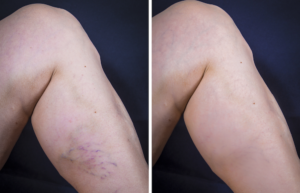
It may be tempting to simply try and hide them. Makeup, wearing long pants, avoiding beaches and the pool for fear of putting on a bathing suit – these can hamper your ability to really enjoy life.

Avoidance may work but all it is doing is covering up the root problem: Venous insufficiency. It isn’t simply a cosmetic issue. Veins, once damaged, if left untreated can spread and become worse over time leading to bigger problems such as achiness, leg, ankle and foot pain, swelling and edema, skin issues and even ulcers on the legs.


If you begin to have veins that are visible it is advisable to seek the advice of a Vein Specialist. Going through offices such as weknowveins.com where they offer FREE online screenings can give you peace of mind and some professional knowledgeable advice as to your current state and the very best medical recommendations for your health now and in the future.


Treatment options are numerous and with the advances that have been made in vein care, you no longer simply have to live with embarrassing or painful veins. Diagnostics are simple, quick and pain-free. The solutions are all outpatient procedures with very minimal recovery times. The majority of those who undergo treatment remark that they wish they had done it sooner.


To get started go to www.eveinscreening.com for a confidential FREE Vein Screening right online. Dr. Joseph Magnant is a board certified vascular surgeon and Dr. Nero is a board certified general surgeon. They have dedicated their lives to this surgical practice with the singular focus on the treatment of venous insufficiency. 239-694-VEIN (8346) to schedule an in-person appointment.

Does Growing Older Have to Mean Varicose Veins?

As we age maintenance is key. Eating a healthy balanced diet and keeping yourself in shape as well as living a healthy lifestyle can all help to keep your body functioning at its fullest. When blood flow is fluid and your veins are all working properly, no spider or varicose veins will be present. It is fully possible to live to a ripe old age and never have a vein issue at all.

While it may seem fairly normal to relate varicose and spider veins with aging, the truth is that though age-based vein issues have more to do with genetics and health than to do with your numerical age in years.

In both spider and varicose veins, it is the weakening of the walls that causes the visible pooling and bulging. Once damage has occurred in order to get back to health they do need to be surgically or chemically repaired. Damaged veins left untreated can lead to leg pain, achiness, swelling, and pain. Over time it can lead to hard to heal leg ulcerations.

What comes into play in the formation of venous insufficiency:

Gender – Birth control pill use, pregnancy, menopause, and puberty – that is a lot of hormonal changes for a body to go through over the years. It can become a contributing factor.

Family History – 50% of all of those who develop vein issues have other family members who also have it as well.

Leg Trauma – injury to an area of the leg can damage veins leading to wearing down of the vein wall cells and over time may cause venous insufficiency.

Weight – additional pressure on the veins can cause issues. Keeping your weight in check is important for your circulatory health.

Regardless of age or contributing factors, the sooner you see a Vein Specialist talk about options when it comes to restoring your vein health the better the outcome is likely to be. If you have vein issues currently, don’t wait. Give West Florida Vein Center a call today by dialing 727-712-3233 or visiting www.westfloridaveincenter.com.

Managing Hives

ipalc rash

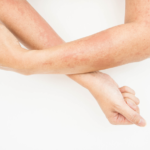
ipalc rashBreaking out in hives can make you crazy. The itching, the scratching, it can be so intense it keeps you up at night. Nothing seems to help and until you know the source, you feel doomed to bouts at pretty well any moment.

When they initially come to pass it becomes a process of elimination in order to figure out the cause and eliminate it from your life.

Brought on by Hives, although normally associated with allergic reactions, can also be brought on by stress, insect bites, certain medications, infections, sun exposure and even extreme cold. The sooner you identify what it is that is causing hives for you, the better and more quickly you can halt them.

What works?

  1. Avoidance of the stimulant is the #1 best defense. If you can’t avoid it or haven’t yet figured out what it is here are some suggestions to help.
  2. Take Benadryl (antihistamine) to calm the reaction.
  3. Oatmeal or anti-itch bath – take a cool bath and soak allowing the skin to moisturize.
  4. Scratching, though it may feel good, will increase the need to scratch. It’s a vicious circle. If at all possible, avoid scratching. If that isn’t possible, try and use a skin brush rather than your nails which can have bacteria on them and are more prone to tearing. The brush will feel even better and not lead to broken skin areas.
  5. Moisturize with a hypoallergenic lotion directly after the bath. Pat dry.
  6. Use Calamine lotion to relieve itching by cooling the skin.
  7. Talk to your doctor about prescription options if you experience chronic hives.


Let your doctor help you pinpoint the cause. They are able to help diagnose and get to the root of the problems so that you can get on with your life, hive free. To find a practitioner here in Lee County, Florida please visit our FREE resource list from the Independent Physicians Association of Lee County by going to www.ipalc.org/find.