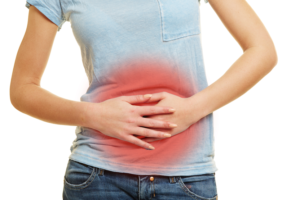
 Irritable bowel syndrome – and the uncomfortable abdominal pain, gas and chronic diarrhea or constipation that goes with it – can be a mild inconvenience or a severe impediment to daily life, affecting an individual’s social and professional habits. Two out of every three people with IBS symptoms are female, according to the International Foundation for Functional Gastrointestinal Disorders.
This disorder is estimated to affect as many as 45 million Americans. The symptoms are tough to deal with, painful, uncomfortable and if you don’t happen to be at home when an attack strikes, embarrassing as well.
Experts say emotional stress can aggravate symptoms, but stress alone doesn’t cause IBS. Hormonal changes and reactions to certain types of foods or beverages also play a role in the severity or frequency of symptoms.
While the root cause of IBS isn’t known and a cure doesn’t exist, experts believe that poorly coordinated signals between the brain and the gut are to blame, along with abnormalities in the gastrointestinal nervous system. A family history of IBS may increase the risk of symptoms, which can affect each person differently.
A gastroenterologist can help with the management of IBS symptoms and can recommend prescription medications or over-the-counter drugs. Those experiencing discomfort may the reduce the severity of symptoms by:
–Slowly increasing the amount of soluble fiber in your daily diet. Digestible fiber promotes regular bowel movements and reduces constipation. Soluble fibers are commonly found in oats and beans.
–Keep track of the type of symptoms you’re experiencing, how long they last and any triggers that may be associated with them, including sources of emotional stress. Also, note any medications or supplements you’ve been taking.On the other hand, insoluble fiber – which is found in cabbage, lettuce, onions, and peppers — may increase symptoms, so pay attention to which fruits and vegetables precede discomfort.
–Reduce the consumption of caffeine and alcohol, known triggers of IBS symptoms. Spicy meals, rich dairy products, and foods that are high in fat can also trigger irregular bowel movements.
It’s worth noting that physicians recommend those with IBS symptoms get checked for Celiac Disease, an autoimmune disorder that’s triggered by the consumption of gluten – a protein typically found in wheat and grains.
Gastroenterologists Brent M. Meyers M.D., Evelyn R. Kessel M.D. and Irma Cruz M.D. in Fort Meyers and Cape Coral are members of the Independent Physicians Association of Lee County, a network of independent physicians committed to maintaining high-quality medical care in southwest Florida. For help selecting an independent physician or for more information on the IPALC, call 239-314-0791 or visit http://www.ipalc.org.

 Spider and varicose veins in your legs are unsightly and can feel embarrassing to some.
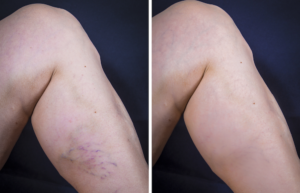 As we age maintenance is key. Eating a healthy balanced diet and keeping yourself in shape as well as living a healthy lifestyle can all help to keep your body functioning at its fullest. When blood flow is fluid and your veins are all working properly, no spider or varicose veins will be present. It is fully possible to live to a ripe old age and never have a vein issue at all.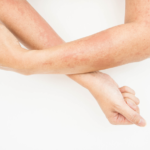
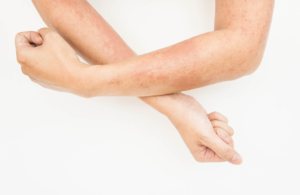 Breaking out in hives can make you crazy. The itching, the scratching, it can be so intense it keeps you up at night. Nothing seems to help and until you know the source, you feel doomed to bouts at pretty well any moment.
 Sleepwalking can be problematic for not only the sleepwalker themselves but for anyone living with them. Erratic night time behavior can leave the walker exhausted, never really getting a deep sleep and the person or people around them sleepless and on edge.
 Doctors spend over a decade on schooling, sometimes more depending on the choice of specialty. Is it any wonder that they come out speaking a whole other language than the rest of us?


 Loss of Smell – Have you noticed that your ability to sense through smell has been diminishing? Try licorice, bananas, and pickles. If you cannot smell them that may be a cue.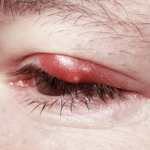
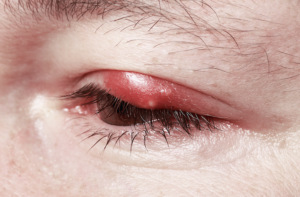 What IS a stye?